

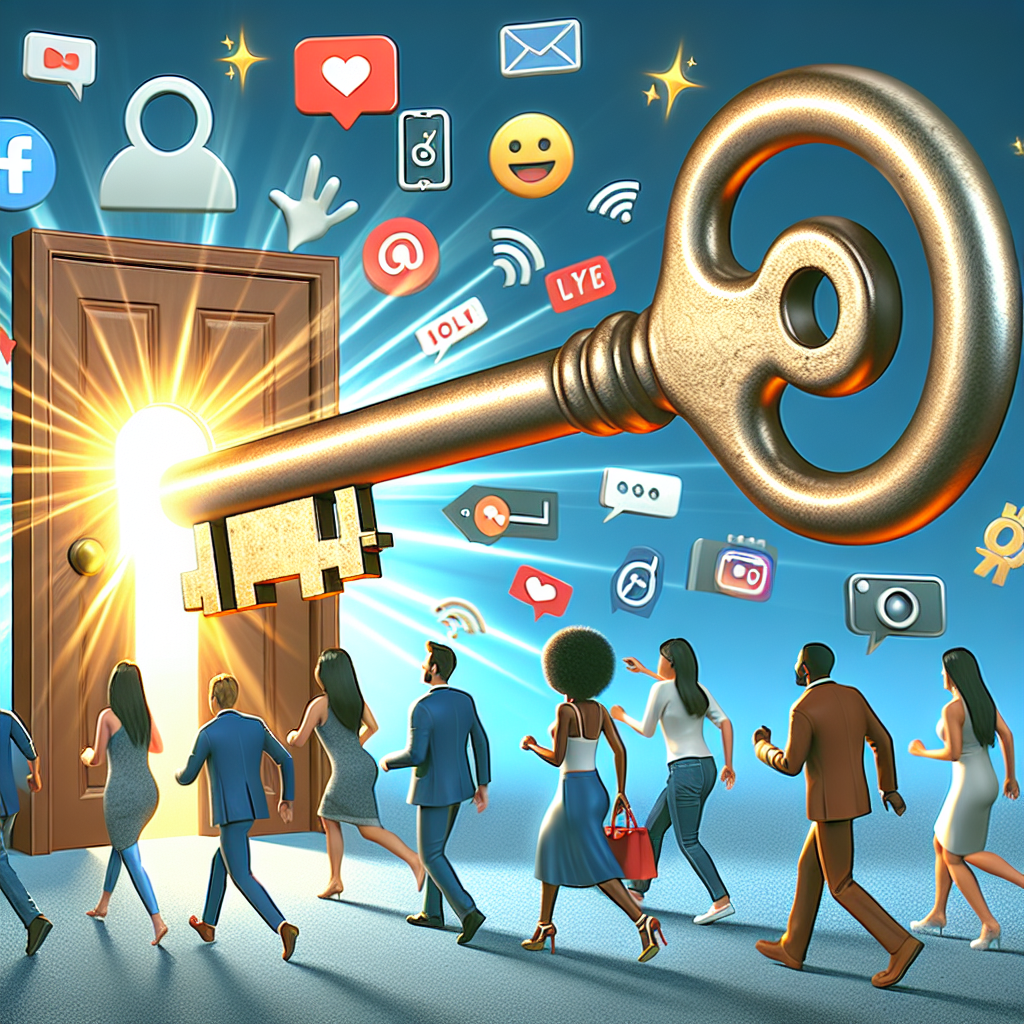
Unlock Your Brand’s Potential: Why Micro-Influencers Are the Future of Marketing
Imagine scrolling through your social media feed, coffee in hand, and you see a familiar face promoting the latest gaming gear. It’s not a celebrity but someone you follow because they share your passion for gaming—detailed reviews, gaming strategies, and even funny fail moments. You trust their opinion because they’ve built a community around their shared interests. This, my friend, is the magic of micro-influencers, and they might just unlock your brand’s potential.
What are Micro-Influencers?
Micro-influencers are social media users who have a smaller following, typically ranging from 1,000 to 100,000 followers. While their audience might be smaller than that of traditional influencers, their engagement rates are often much higher. This means that when they share a post, their followers are not just scrolling past; they are interacting, commenting, and trusting their recommendations. In a world oversaturated with polished ads and celebrity campaigns, micro-influencers offer an authentic voice that resonates deeply with niche audiences.
Why Micro-Influencers Shine in Marketing
Here’s the reality check: traditional advertising is becoming less effective. People are bombarded daily with ads that often feel irrelevant. Micro-influencers offer an alternative that brings authenticity back into marketing. Let’s break down why they should be a key part of your marketing strategy:
- Higher Engagement Rates: A study by Forbes found that micro-influencers can command engagement rates of up to 8%, while macro-influencers may see rates around 1%. Higher engagement means genuine conversations about your brand.
- Cost-Effectiveness: Often, micro-influencers are willing to work for lower fees, free products, or even just brand exposure. This means you can stretch your marketing budget further and reach multiple influencers rather than just one big-name celebrity.
- Authenticity and Trust: Followers of micro-influencers often feel a personal connection with them. When they promote a product, it feels more like a recommendation from a friend than an ad. This authentic connection can lead to higher conversion rates.
- Targeted Engagement: Micro-influencers typically cater to specific niches. If your brand revolves around gaming, partnering with an influencer who specializes in that niche ensures you are speaking directly to interested and invested audiences.
Success Stories: Brands Winning with Micro-Influencers
Let’s look at some real-world examples of brands that hit the jackpot by using micro-influencers. These stories will inspire you to consider this strategy for your marketing:
1. Glossier: This beauty brand started by leveraging micro-influencers to generate buzz on social media. Instead of spending hefty sums on traditional advertising, they collaborated with everyday beauty enthusiasts, allowing their authenticity to shine. As a result, Glossier became a household name, and their community-centric approach fueled their growth.
2. Fashion Nova: This fast-fashion retailer built its empire primarily through partnerships with micro-influencers across various social media platforms. By providing influencers with company clothing, they created a wave of user-generated content and word-of-mouth marketing that drove millions in sales.
3. Gymshark: A fitness apparel brand that started in the UK gained rapid popularity by collaborating with fitness enthusiasts who shared their workouts and routines while wearing Gymshark gear. Their community-focused strategy not only increased brand awareness but also fostered a loyal customer base that proudly supported the brand.
How to Find the Right Micro-Influencers
Now that you’re sold on the power of micro-influencers, how do you find the right ones for your brand? Here’s a step-by-step guide:
- Define Your Goals: What do you want to achieve with your influencer campaign? Brand awareness, driving sales, or perhaps building an engaged community? Knowing your goals helps narrow down your options.
- Identify Your Audience: Who are you trying to reach? Understanding your target demographic will help you select influencers whose followers match your customer profile.
- Research Influencers: Use platforms like Instagram, TikTok, or YouTube to find micro-influencers who align with your brand values. Look for those with genuine interactions and content that resonates with your brand.
- Check Engagement: Evaluate the influencer’s posts for engagement quality—not just likes or comments, but meaningful conversations around their content.
- Reach Out: Approach potential influencers with a genuine message. Explain why you admire their work and how a collaboration could be beneficial for both parties.
Your Brand’s Future Awaits
In an age where genuine connections and authenticity resonate more than polished advertisements, micro-influencers represent a golden opportunity for brands—especially in the gaming and tech sectors where passionate communities thrive. By embracing micro-influencers, you’re not just advertising; you’re building a community, creating followers, and laying the groundwork for a thriving, engaged customer base.
As the marketing world evolves, consider making micro-influencers an integral part of your strategy. It’s your chance to break through the noise and when done right, they can become brand advocates who turn followers into loyal customers.
Ready to give your brand the boost it needs? Dive into the vibrant world of micro-influencer marketing and watch your brand’s potential unfold. The future is not just about visibility; it’s about real, authentic connections—and micro-influencers are the key to unlocking that potential.

