

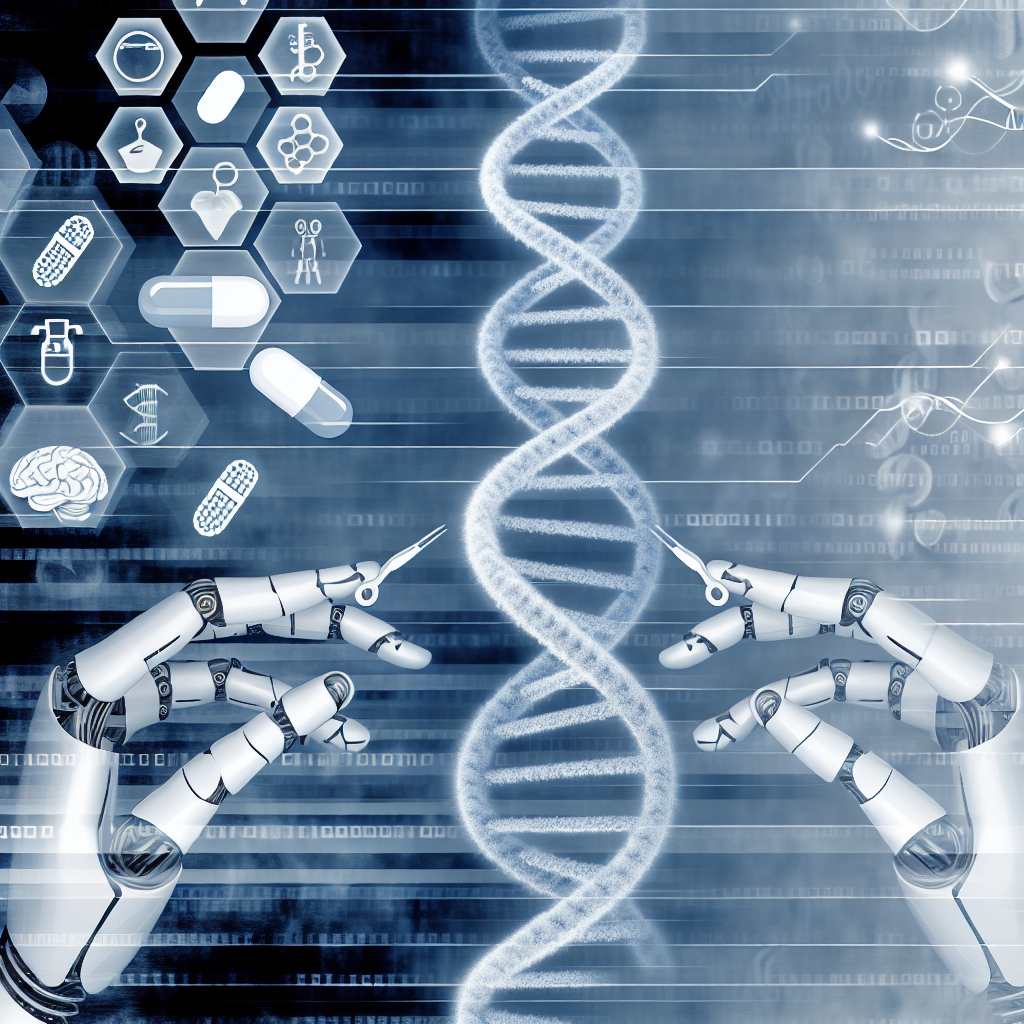
Unraveling the Future: How DNA Sequencing is Revolutionizing Precision Medicine Today
Imagine a world where your doctor prescribes a treatment specifically tailored to your DNA. No more one-size-fits-all solutions; instead, treatments designed just for you, based on your unique genetic makeup. This isn’t a scene from a sci-fi movie—it’s the future of healthcare thanks to the groundbreaking advancements in DNA sequencing and precision medicine.
The Basics: What is DNA Sequencing?
At its core, DNA sequencing is the process of determining the precise order of nucleotides (the building blocks of DNA) in a given segment of DNA. You can think of it as getting a personal blueprints of a person’s genetic code, which contains instructions for how the body functions and responds to different treatments.
The rise of affordable DNA sequencing technologies, such as Next-Generation Sequencing (NGS), has made it possible for researchers and clinicians to delve into the human genome without the previously exorbitant costs. For reference, in 2003, the Human Genome Project completed sequencing the first human genome at a cost of around $2.7 billion. Today, it can be done for under $1,000. This shift opens the door to a revolution in medical science.
The Rise of Precision Medicine
Precision medicine is all about customizing healthcare, with decisions and treatments tailored to the individual patient rather than relying on a broad-based approach. Think of it like leveling up in a video game. Instead of using the same strategies against every opponent, you adapt your gameplay based on the strengths and weaknesses of each one. Precision medicine works similarly—your treatment plan adapts to fit your health profile.
One shining example of precision medicine in action is in oncology. Traditional cancer treatments often involve a trial-and-error approach, where oncologists pick a treatment based on the type and stage of cancer. However, with DNA sequencing, doctors can now analyze the genetic mutations specific to a patient’s tumor. By identifying these mutations, oncologists can prescribe targeted therapies that are much more effective and have fewer side effects. Consider the case of breast cancer: targeted therapies like HER2 inhibitors are only effective in patients whose tumors overexpress the HER2 gene. Without sequencing, these patients might be subjected to less effective chemotherapies, potentially missing out on more effective treatments.
Using Genetic Insights for Preventive Care
Aside from treatment options, DNA sequencing is also a game-changer when it comes to preventive care. With an understanding of one’s genetic predispositions, individuals gain insights into health risks they could face. Imagine being able to foresee risks of diabetes or heart disease well before symptoms even present themselves.
Take the company 23andMe as an example. They provide genetic testing that not only reveals ancestry but also offers health-related reports. With insights into potential health risks, users can take proactive measures—like lifestyle changes—well ahead of any health concerns. This preventative approach is incredibly empowering and could ultimately lead to healthier lives—all from a simple saliva test.
Challenges and Ethical Considerations
Despite its vast potential, the road to widespread adoption of DNA sequencing in precision medicine isn’t without its bumps. Privacy concerns are at the forefront. How secure is your genetic information? As DNA sequencing becomes more integrated into healthcare, there’s a valid concern over who owns that data and how it could be used. Issues surrounding genetic discrimination in insurance and employment can’t be overlooked either.
Moreover, there’s the challenge of interpreting genetic data. Sequencing provides a wealth of information, but understanding what variations mean can be complex. Just because a genetic variant is identified, it doesn’t necessarily mean it’s clinically significant. Patients might find themselves at a loss when faced with ambiguous genetic results.
Real-World Examples: DNA Sequencing Making a Difference
As we navigate this brave new world of precision medicine, numerous real-life success stories showcase how DNA sequencing is saving lives. For instance, consider the case of a young girl named Emma with a rare genetic disorder. Traditional tests had failed to diagnose her condition. Finally, genetic sequencing identified a specific mutation that informed a target therapy, leading to significant improvement in her health.
Another narrative involves a patient named John who had a rare form of leukemia. After undergoing whole genome sequencing, doctors discovered an unexpected mutation that was treatable with a newly available targeted drug. Instead of the standard chemotherapy, which would have had severe side effects, he received a therapy that was far more effective and tailored to his specific mutation. This not only improved his prognosis but also enhanced his quality of life.
The Path Forward: What Lies Ahead?
As we look to the future, one thing is clear: DNA sequencing will continue to reshape the landscape of healthcare. Collaborations between pharmaceutical companies and technology firms are already underway, allowing for faster development of targeted therapies that align with genetic insights.
Moreover, the integration of Artificial Intelligence (AI) in analyzing genomic data holds the potential to expedite this process further. Imagine AI-powered tools that can sift through vast datasets of genetic information much quicker than any human being, effectively spotting patterns that could lead to groundbreaking treatments.
Finally, ongoing public education around the importance and implications of genetic testing is crucial. As DNA sequencing becomes a part of regular healthcare, fostering a better understanding of genetic information can empower individuals to make informed decisions about their health.
In Summary
We stand at the cusp of a healthcare revolution propelled by DNA sequencing. It’s moving us away from generic solutions toward a future where the individual is at the center of care decisions. While challenges remain, the successes are proving that with each deciphered genome, we’re unraveling the mysteries of health and illness. The strides made in precision medicine unlock new possibilities that can ultimately lead us to healthier, longer lives. Who wouldn’t want that?
So next time you hear about DNA sequencing, think beyond the lab and the science. Consider how it could redefine everything from how we treat disease to how we think about our health in general. The future is bright, and it’s coded in our DNA.

