

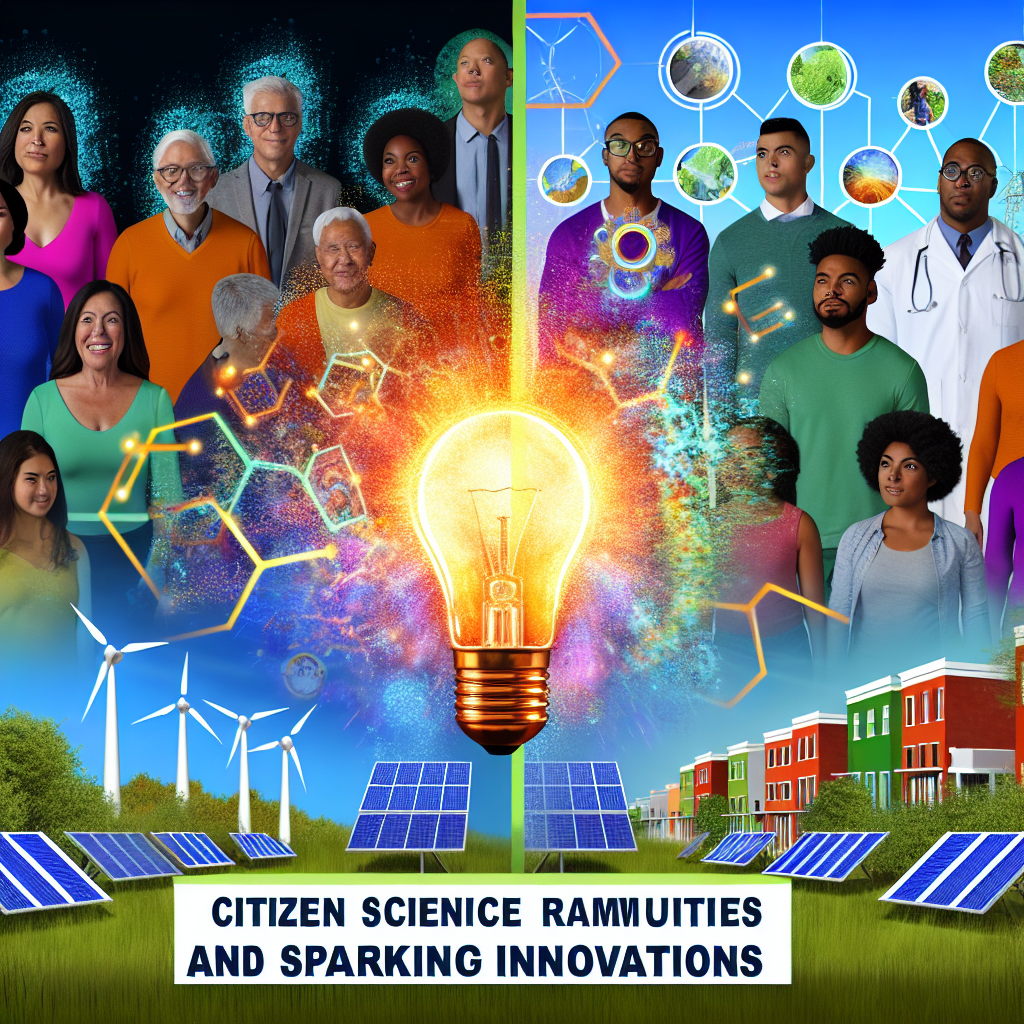
Empower Your Curiosity: How Citizen Science is Transforming Communities and Sparking Innovations
Did you know that the amount of data produced in the last two years is more than the total data generated in human history? That’s over 44 zettabytes of information! While this may sound like a chaotic mess of zeros and ones, it presents a golden opportunity. Imagine being part of a movement where you can take on the role of a scientist and contribute to groundbreaking discoveries—without needing a lab coat or a PhD. Welcome to the fascinating world of citizen science!
What is Citizen Science?
At its core, citizen science empowers individuals to engage in scientific research, contributing to data collection, analysis, and even problem-solving. It’s like opening a door to the scientific community that invites anyone curious enough to step in, whether you’re a card-carrying scientist or someone who just enjoys stargazing.
The pioneering spirit of citizen science is ignited by real-world problems and the desire to find solutions. From tracking migrating birds in your neighborhood to analyzing environmental pollutants, each contribution can lead to big changes in how we understand and protect our planet.
Communities Coming Together
The beauty of citizen science lies in its ability to foster community connections. It’s not just about collecting data; it’s about building relationships among diverse groups who share a common interest in contributing to research. For instance, consider a community cleanup program where local citizens take to the streets and beaches to pick up litter. Participants collect data on the types and quantities of trash found, contributing valuable information to environmental organizations aiming to reduce plastic pollution. This initiative not only beautifies the neighborhood but also informs policies and educational campaigns around waste management.
Real-World Examples of Citizen Science
Across the globe, various projects demonstrate how citizen science is paving the way for innovation, and most of them are accessible with just your smartphone. Here are a few standout examples:
- Zooniverse: One of the largest platforms for citizen science, Zooniverse engages volunteers to assist researchers in analyzing data from various scientific fields. Projects range from classifying animals in wildlife photos to transcribing historical documents. This platform turns data analysis into a fun, engaging activity for users, allowing them to contribute their skills directly from their devices.
- eBird: If you enjoy birdwatching, eBird is the perfect platform for you. Users can report their bird sightings, helping researchers monitor bird populations and migration patterns. The data collected helps scientists track changes in biodiversity and can inform conservation strategies—a win-win for both nature enthusiasts and the environment!
- Globe at Night: Want to help track light pollution? Globe at Night invites people to observe the night sky and report their findings regarding stars visible in their area. This information helps scientists understand how light pollution impacts wildlife and human health, and empowers participants to advocate for darker skies.
How to Get Involved in Citizen Science
Joining the citizen science movement is easier than you think. Here’s how you can start:
- Identify Your Interests: Are you passionate about ecology, astronomy, or data analysis? Figuring out what excites you will help you find the right project.
- Find Projects: Websites like SciStarter or CitizenScience.gov list various projects that welcome volunteers. You can easily filter by category, location, or difficulty level.
- Engage and Contribute: Whether you’re logging data, offering expertise, or promoting awareness, your involvement matters. Most projects offer guidance on how to participate effectively.
- Share Your Experience: Spread the word! Encourage friends and family to join a project or host community events to raise awareness. Sharing your journey can inspire others to get involved.
The Power of Data and Innovation
The collaboration fostered through citizen science not only contributes to academic research but also paves the way for innovations that can break boundaries. For example, during COVID-19, community members created a platform called “Covid Near You” to self-report symptoms and vaccination statuses. This not only aided researchers in tracking the spread of the virus but also empowered individuals to feel like they were part of the solution.
These grassroots initiatives often lead to innovations that would typically go unnoticed. Brands and companies increasingly recognize the potential of citizen science to gather invaluable data that can inform product development and marketing strategies.
Challenges and What Lies Ahead
While the potential for citizen science is genuinely exciting, there are challenges that need addressing. Issues like data quality, privacy concerns, and participant engagement can complicate research efforts. However, many organizations are actively seeking to establish guidelines for effective data collection while fostering a safe, inclusive environment for participation.
As technology continues to evolve, the future of citizen science looks promising. With smartphones becoming ubiquitous and the internet providing access to global networks, the ability to collect and analyze data is only a tap away. Innovations in artificial intelligence and machine learning can also enhance data reliability, propelling citizen science into new dimensions.
Conclusion
Citizen science is more than just a trend; it’s a movement that empowers individuals and transforms communities. It invites you to be part of something bigger, allowing you to contribute your time and skills to meaningful research and innovation. As members of a global society, our collective curiosity can lead to impactful solutions to the challenges we face. So, ready to empower your curiosity? Dive into the world of citizen science and discover the difference you can make!

