

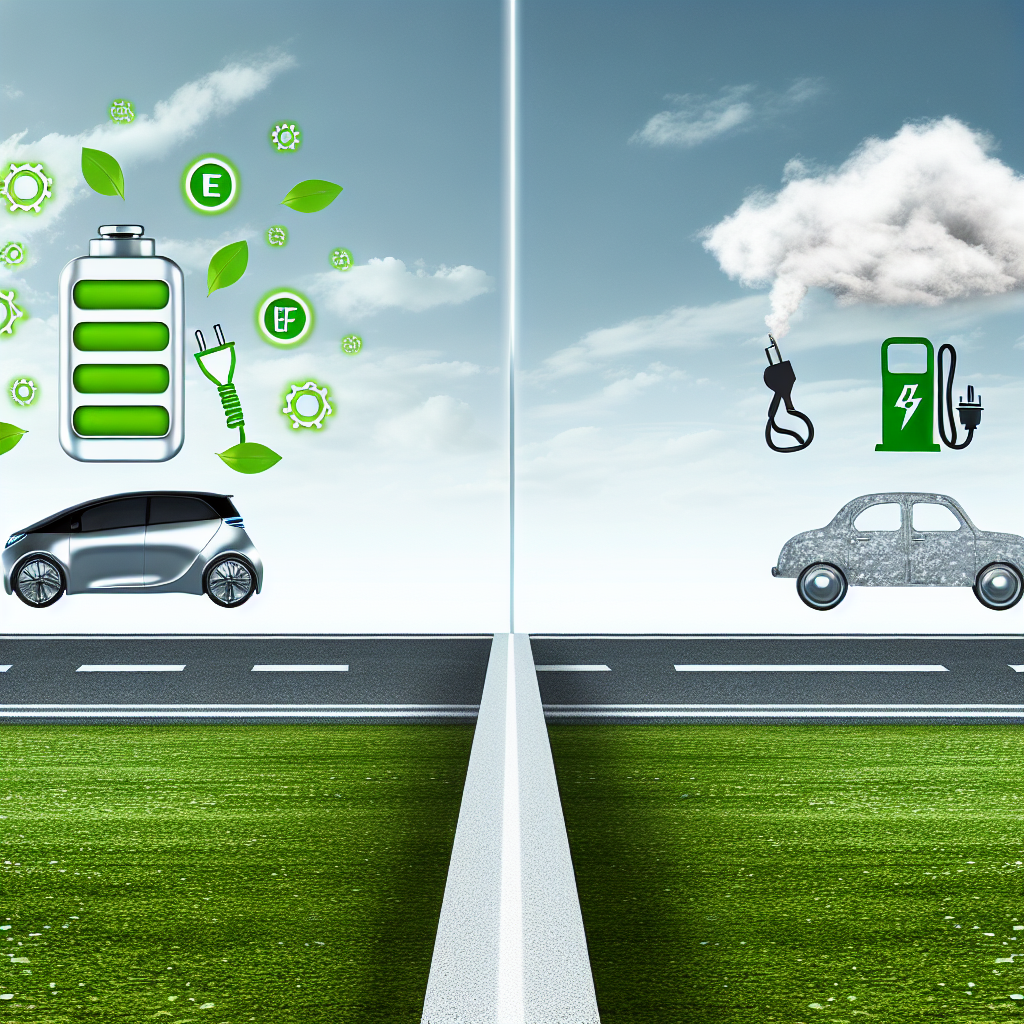
Electric Vehicles vs. Gas Cars: Driving into a Greener Future
Imagine pulling up to a gas station only to find it replaced by a charging station that resembles a high-tech oasis. As you plug in your electric vehicle (EV) while sipping your favorite coffee, the thought crosses your mind: is driving a gas car now considered old school? This isn’t an exaggerated sci-fi scenario; it’s the evolving future of driving. With climate change becoming a hot topic and technology rapidly advancing, the debate between electric vehicles and gas-powered cars has gained remarkable momentum. Buckle up as we navigate through the highways of this discussion.
The Rise of Electric Vehicles
Let’s face it—electric vehicles have surged from niche products to mainstream must-haves, and the excitement around them is palpable. According to the International Energy Agency (IEA), global EV sales exceeded 6.6 million in 2021 alone, representing a 108% increase from the previous year. Factors such as environmental awareness, rising fuel prices, and governmental incentives have all played roles in this electric evolution.
What makes EVs so appealing? For starters, they produce zero tailpipe emissions, making them a breath of fresh air—literally—for our planet. Unlike gas cars, which spew pollutants and greenhouse gases with every mile, EVs leave nothing but a quiet hum in their wake. This alone makes them a prime candidate for anyone concerned about climate change. Moreover, many modern electric vehicles come with sleek designs, impressive tech features, and a growing range of options that make them feel less like a compromise and more like an upgrade.
Gas Cars: The Traditional Powerhouses
Yet, the love for gas cars persists. They’ve been around for over a century, and their deep-rooted presence in our culture isn’t going anywhere soon. Traditionally viewed as symbols of freedom, adventure, and even rebellion, gas-powered vehicles have carved an undeniable niche in the hearts of many drivers.
Consider muscle cars: they roar like lions, evoke nostalgia, and provide a visceral driving experience that electrics sometimes struggle to replicate. Plus, gas cars have the advantage of a well-established refueling infrastructure, making long road trips convenient without the anxiety of finding a charging station.
- Lower initial cost: Gas cars generally have lower upfront costs compared to EVs.
- Familiarity: Most drivers know how to operate them with ease.
- Greater range: Many gas cars can travel further on a single tank than most EVs without needing to recharge.
These factors contribute to the lasting appeal of gasoline engines, especially for those who prioritize range and convenience in their driving experience.
Cost Efficiency: Which is the Winner?
Switching gears to costs, both EVs and gas cars have their pros and cons. While electric vehicles often come with a higher sticker price, the long-term savings can be significant. Let’s break it down further:
- Fuel costs: EVs typically enjoy lower fueling costs. Charging an electric vehicle can be significantly cheaper than filling up with gas, especially when plugged into home chargers or taking advantage of renewable energy sources.
- Maintenance costs: With fewer moving parts, EVs generally require less maintenance, translating to lower long-term costs.
- Government incentives: Many regions offer tax breaks and rebates for purchasing electric vehicles, making them more financially appealing.
Ultimately, while EVs may have a higher upfront cost, they could offer better value over time, especially if you plan on keeping your car for several years.
Environmental Impact: The Green Choice
The environmental debate is where the electric vehicles shine the brightest. Gasoline engines emit a significant amount of CO2 and other harmful pollutants, contributing to climate change and air quality issues. In contrast, EVs produce zero tailpipe emissions, presenting a cleaner alternative for the planet.
However, it’s not all sunshine and rainbows for EVs. The production of their batteries can involve harmful mining practices, and if the electricity used to charge them comes from fossil fuels, the environmental benefits can diminish. In fact, depending on your electricity source, it might still be better for some environments to drive a modern gas car. Despite these challenges, many manufacturers are working to create more sustainable battery technologies and cleaner energy sources that enhance the green credentials of electric vehicles.
The Driving Experience: What’s It Like?
If you’ve ever driven an electric vehicle, you know there’s an element of excitement that comes with it. Instant torque and quiet operation are just the start. EVs feature acceleration that can leave many gas cars in the dust—with some models sprinting from 0 to 60 mph in just a few seconds. You feel less like you’re behind the wheel of a vehicle and more like you’re operating a finely-tuned machine.
However, many driving enthusiasts argue that the emotional connection and sheer thrill provided by a roaring engine provides an irreplaceable experience. While a Tesla might turn heads with its silent speed, the growl of a well-tuned V8 during a sunny Sunday drive still resonates deeply with car lovers everywhere. In this sense, the “it’s not the car, it’s the driver” mantra rings true, and it speaks to how personal preference profoundly influences the discussion.
The Road Ahead: A Hybrid Future
As we navigate through these options, it’s pretty clear that both electric and gas vehicles present compelling choices in different ways. While electric cars are gaining traction, gas vehicles have a road ahead too. The future may not be a world dominated exclusively by one type but rather a hybrid model where both coexist. This approach provides consumers with the flexibility to choose a vehicle that suits their lifestyle, whether it’s an electric car for errands or a classic gas car for weekend adventures.
Ultimately, whether you find yourself gravitating toward electric vehicles or the classic gas-powered experience, the car you choose reflects your values, preferences, and lifestyle. As the automotive industry continues evolving, it’s essential to stay informed and adaptable, ensuring that we all contribute to a greener, more sustainable future while enjoying the ride.

