

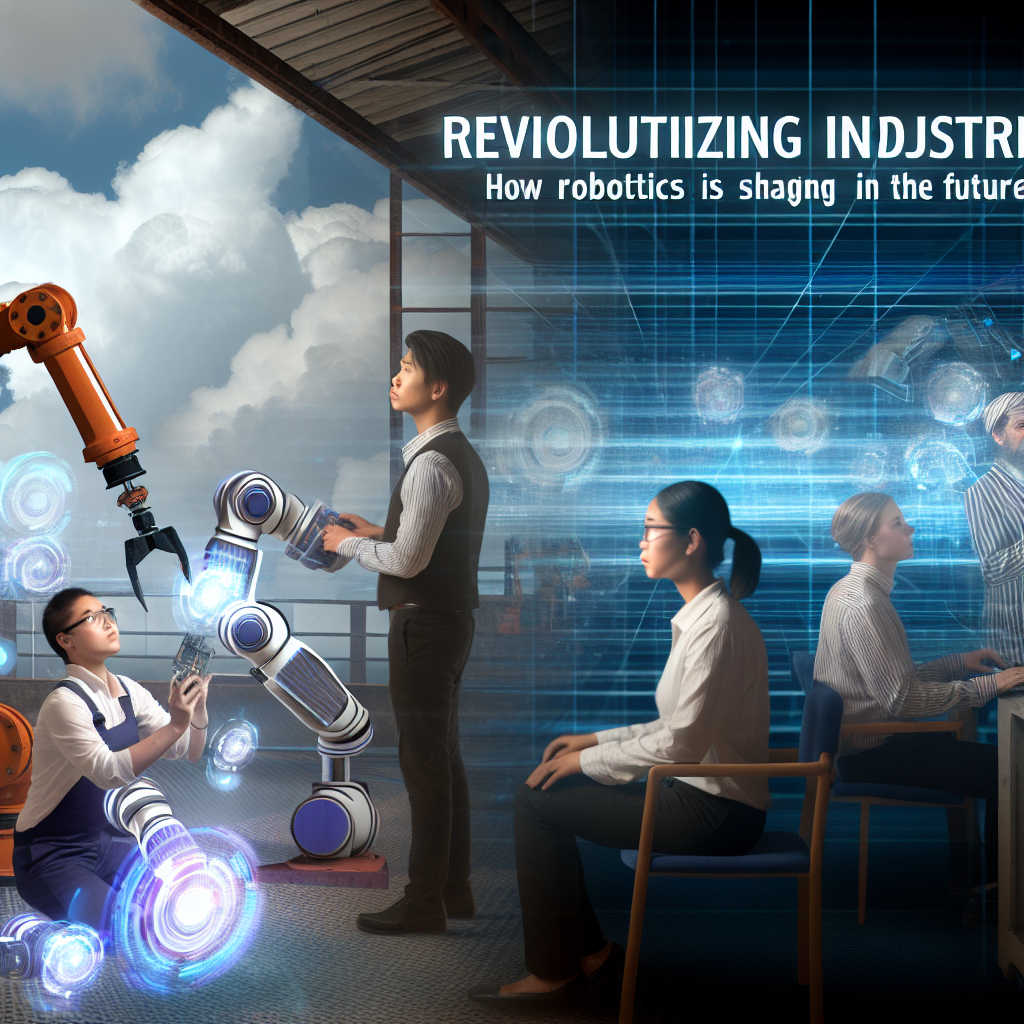
Revolutionizing Industries: How Robotics is Shaping the Future of Work
Picture this: You’re in a bustling city, and as you walk down the street, you see a charming little café that could really use an extra pair of hands. Maybe there’s a barista juggling orders while frying up fresh pastries. But wait—what if that café was equipped with a robotic barista, brewing coffee with precise measurements and delivering it seamlessly to customers? This isn’t just a scene from a sci-fi movie; it’s an insight into how robotics is shaping our work environment today.
With the rapid advancements in technology, robotics is no longer confined to the factory floor. It’s infiltrating various sectors, transforming them in ways that are both innovative and practical. As we dive into this topic, let’s explore how robots are not just tools but pivotal players in revolutionizing work across industries. Strap in—this tour through the robotic workforce promises to be an eye-opener!
The Power of Automation in Daily Tasks
You might think that robots are best suited for heavy lifting in manufacturing or performing delicate surgeries in hospitals. But they’re also making waves in our everyday lives. Consider this: according to a report by the International Federation of Robotics, the average number of industrial robots used per 10,000 employees has skyrocketed. Countries like South Korea are leading the charge, showcasing how automation can bolster productivity and efficiency.
- Robots in Agriculture: Imagine drones monitoring crop health, optimizing water usage, and even identifying pests without the help of human eyes. Farms equipped with robotic systems are not just more efficient; they’re sustainable and eco-friendly.
- Service Robots in Retail: Ever walked into a store and seen a robot restocking shelves? These friendly bots can help customers find products, saving time for both shoppers and staff.
These advancements in robotics illustrate a significant shift—from heavy labor to enhancing efficiency in tasks we do daily. But how does this affect jobs? Are we really headed toward a dystopian future where humans are replaced? Not quite.
Robots as Collaborators, Not Replacements
For many, the narrative of robots taking over jobs is alarming. Yet, it’s essential to consider a different perspective: robotics can complement human work rather than replace it. Let’s think about it this way—imagine a dedicated robot like Pepper, designed to welcome customers and assist with simple inquiries. This allows human staff to focus on more complex issues that require critical thinking and emotional intelligence.
Real-world cases reflect this harmony beautifully. In warehouses, companies like Amazon employ robots to handle inventory management. The bots transport goods quickly while humans oversee the operations, maintaining quality control and customer service. Essentially, robots tackle repetitive tasks, allowing human workers to engage in more fulfilling roles.
Robotics in Healthcare: A Life-Saving Partnership
When it comes to saving lives, robotics is indeed changing the game. Surgical robots, such as the da Vinci system, are assisting surgeons in performing minimally invasive procedures with greater precision. Interestingly, these robots don’t replace surgeons but empower them to enhance patient outcomes. Patients experience shorter recovery times and reduced pain levels because of this technology, highlighting a successful collaboration.
Moreover, robotic exoskeletons are helping patients regain mobility. They provide support for individuals recovering from severe injuries or strokes, demonstrating the profound impact of robotics on rehabilitation. As these technologies advance, we’re likely to see even more groundbreaking developments in healthcare.
Real-World Impact: Companies Leading the Charge
Several companies are harnessing robotics to illustrate the potential of this technological evolution. Consider Boston Dynamics, famous for its robotic creations like Spot the robot dog. This intelligent machine is making waves not just for its impressive agility but also for its versatility across various fields, including construction, security, and entertainment.
Moving over to the culinary world, imagine Flippy, the burger-flipping robot developed by Miso Robotics. It efficiently cooks burgers, ensuring consistency while allowing chefs to focus on creativity and unique recipes. Such innovations highlight how robots can enhance productivity in some of our favorite sectors.
The Future of Work: Embracing Change
So where does this leave us? As robotics continues to evolve, it beckons us to embrace change rather than fear it. Those who view robots as allies in the workplace are more likely to adapt successfully. Consider acquiring new skills tailored for this robotic future. Learning to work alongside machines and understanding how to maintain them can open new avenues for job opportunities.
Ultimately, the fusion of robotics with our work is about enhancing human capabilities. By automating mundane tasks, we can focus on creativity, problem-solving, and the uniquely human touch that robots simply can’t replicate.
Your Role in the Robotic Revolution
As we approach a future interwoven with advanced technology, it’s essential to play an active role in this transition. Staying informed, cultivating skills in technology, and understanding how robotics can benefit various industries will empower you to thrive in this new world of work. Whether you are a tech enthusiast, a gamer looking to create virtual realities, or simply someone intrigued by innovation, there’s a place for you in this emerging landscape.
Robotics might seem like an intimidating frontier, but by facing it head-on, we can forge a future that blends the best of human ingenuity and technological prowess. Take a moment to imagine how robots could transform your own field of work. The possibilities are endless!
In a world increasingly influenced by robotics, let’s embrace the change. The future of work is not about replacement; it’s about collaboration. And who knows? The next time you enjoy a perfectly brewed coffee from a robotic barista, you might just be savoring the sweet taste of progress.

