

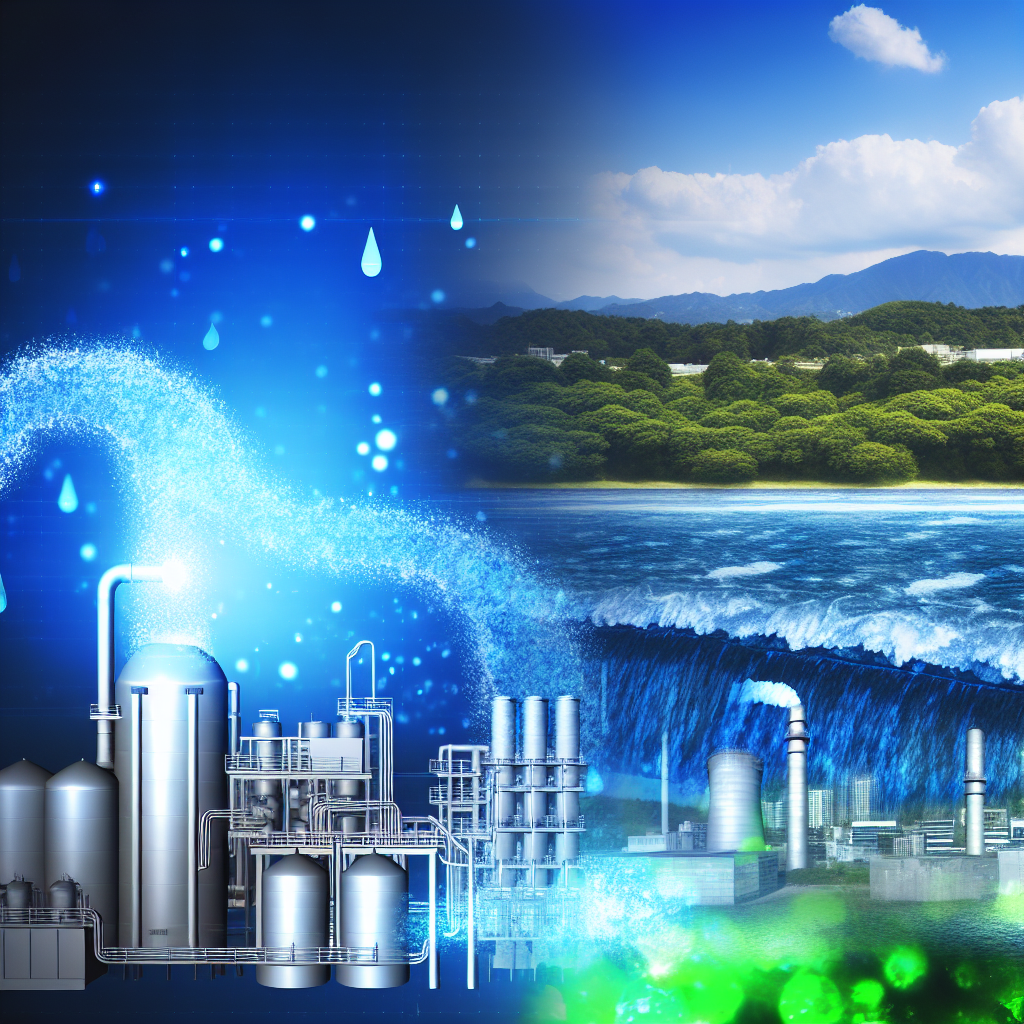
Revolutionizing Water Supply: How Cutting-Edge Desalination Technologies Are Securing Our Future
Every day, we flick a switch, and our devices come to life as if by magic. Yet, in many parts of the world, a more pressing challenge is lurking in the shadows. Did you know that almost 2 billion people lack reliable access to clean water? With the global population projected to hit nearly 10 billion by 2050, the demand for freshwater is accelerating faster than ever. It’s a bit like playing your favorite online game on an old console that just can’t keep up with the latest releases—not ideal, right? Enter desalination, a high-tech solution that’s making waves in the fight for sustainable water supplies.
The Basics of Desalination: Making Sea Water Drinkable
Let’s start at square one: what exactly is desalination? In simple terms, it’s the process of removing salt and other impurities from seawater to produce fresh, drinkable water. Imagine if you could convert your salty popcorn into sweet cotton candy—it’s about taking something that doesn’t serve you and transforming it into something essential. There are two primary methods of desalination: distillation and reverse osmosis.
1. Distillation: This method involves boiling seawater, collecting the steam, and cooling it back into a liquid form. It’s a straightforward concept, akin to a hot cup of coffee producing steam that can then be condensed and enjoyed as a refreshing drink.
2. Reverse Osmosis: This advanced technique employs a semi-permeable membrane to filter out salt and impurities. Think of it as a bouncer at an exclusive nightclub—only allowing the VIPs (freshwater molecules) in while turning away the troublemakers (salt molecules).
Why Desalination Matters: Addressing Global Water Scarcity
The urgency of finding solutions for water scarcity can’t be overstated. Droughts, climate change, and population growth are putting incredible strain on existing freshwater resources. Countries like Israel and Saudi Arabia have turned to desalination as a lifeline, producing over 60% of their water supply through these advanced technologies. It’s like leveling up your character’s health bar in a game when you’re facing an unbeatable boss; it’s about survival and strategy.
Consider the impressive strides made in Saudi Arabia. The nation has invested heavily in desalination, with facilities like the Shuaiba plant capable of producing over 1 million cubic meters of water daily. This is a game-changing move for a country where traditional freshwater sources are scarce. Similarly, Israel’s innovative use of reverse osmosis has transformed it from a water-scarce nation into a model of water efficiency, redefining what’s possible.
Emerging Technologies: The Future of Desalination
As inspiring as current desalination efforts are, the future promises even more thrilling advancements. Let’s break down some of the innovative technologies that could change the game:
- Solar Desalination: Utilizing solar energy for desalination processes helps reduce costs and carbon footprints. Picture a solar-powered water fountain, constantly providing fresh water fueled by the sun’s rays. This energy-efficient method is gaining traction in arid regions where conventional energy sources may be limited.
- Graphene Membranes: Researchers are developing ultra-thin membranes made from graphene, which could simplify the reverse osmosis process. Imagine upgrading to a cutting-edge gaming mouse that gives you increased precision and responsiveness; graphene could do the same for water filtration.
- Floating Desalination Plants: These mobile facilities are designed to harness ocean waves to generate energy for the desalination process. Think of them as the mobile bases in strategy games that can adapt to various terrains while efficiently gathering resources.
Real-World Applications: Desalination in Action
To truly appreciate how desalination technologies are making a difference, let’s explore some inspiring real-world applications:
1. California’s Water Crisis: During severe droughts, California has increasingly turned to desalination as a potential solution. The Carlsbad Desalination Plant, operational since 2015, can produce 50 million gallons of fresh water per day—essential for both residents and agriculture.
2. Australia’s Approach: After suffering one of the worst droughts in history, Australia has embraced desalination, leading to the establishment of numerous plants. The Sydney Desalination Plant not only helps secure water supplies but is also powered by renewable energy, making it a sustainable model for the future.
3. Innovative Islands: Places like the Maldives have begun investing in desalination to combat the impacts of climate change and rising sea levels. With increased salinity in their water supply, these islands are turning saltwater into a vital resource—ensuring future generations don’t face an uncertain fate.
Addressing Concerns: The Reality of Desalination
While desalination presents a promising solution, it isn’t without challenges, much like the tricky levels in your favorite game. Key concerns include:
- Cost: Desalinated water can be more expensive than traditional sources, prompting questions about sustainability and affordability.
- Environmental Impact: The process produces brine, a byproduct that can harm marine ecosystems if not managed properly.
- Energy Consumption: Though advances in efficiency are being made, desalination is energy-intensive, which raises concerns about carbon footprints.
That said, ongoing research and innovation continue to tackle these issues head-on, proving that the thirst for solutions is echoing through laboratories, startups, and initiatives worldwide.
Embracing the Future: What You Can Do
As individuals, embracing water conservation in our daily lives remains essential. Simple actions, such as fixing leaks, using water-efficient appliances, and practicing mindful consumption, can collectively make a significant difference. It’s like training a character in a game; small, consistent efforts lead to greater strength and skills.
Moreover, staying informed about new technologies and advocating for sustainable practices can push communities and governments to prioritize innovative solutions like desalination. Participating in community discussions or projects focused on water sustainability could help ensure that clean water remains accessible for everyone.
Final Thoughts: The Path Ahead
In a world where the thirst for clean water intensifies each day, cutting-edge desalination technologies are paving the way for a brighter, more sustainable future. Just as in gaming, where players adapt and evolve to overcome challenges, humanity, too, must embrace innovation to navigate the complexities of water scarcity. Every drop counts, and with the right tools and a spirit of community, we can secure a future where clean water flows freely for all.

