

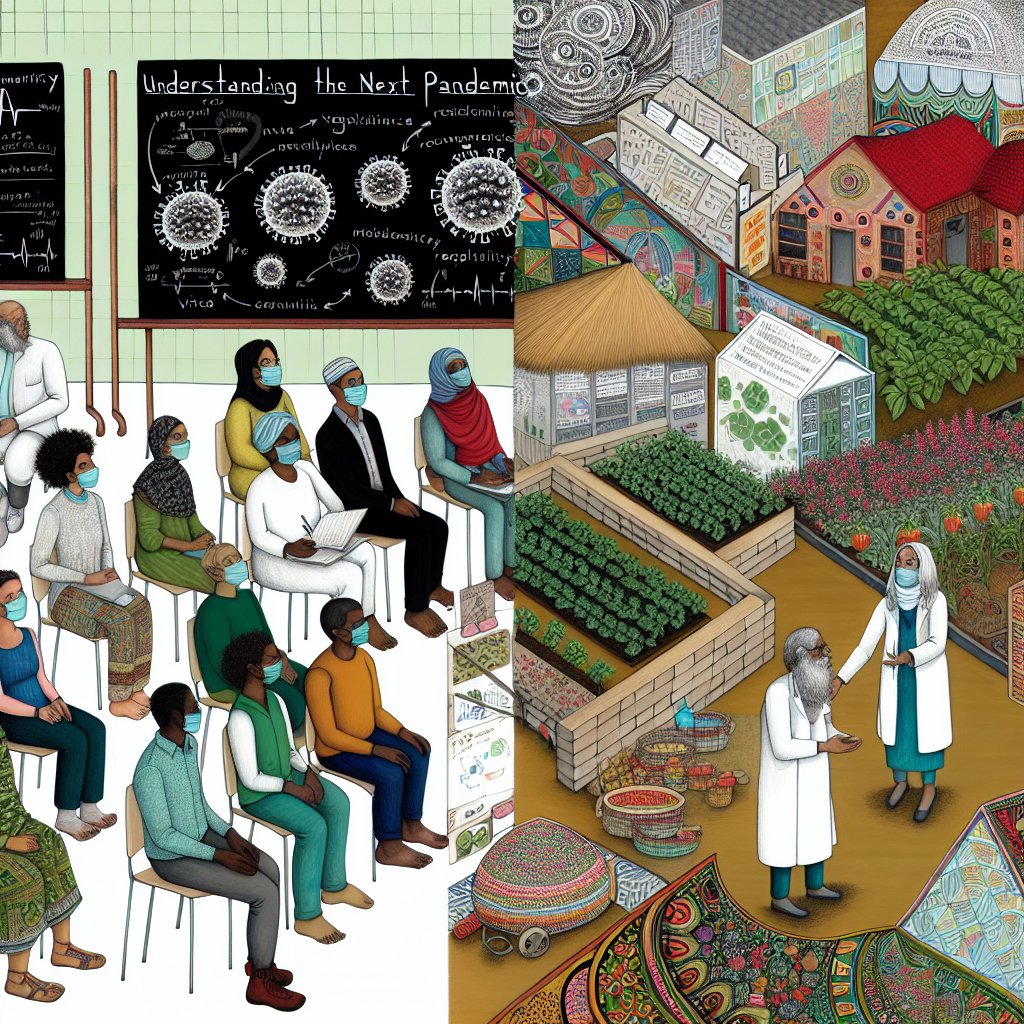
Understanding the Next Pandemic: Key Insights to Prepare and Protect Your Community
Imagine logging into your favorite online game, only to find that a mysterious virus is spreading among players, causing outages and chaos in the gaming world. While this might sound like a plot twist from a dystopian episode of a sci-fi series, the reality of pandemics can be just as disruptive to our lives and communities. As we venture deeper into an age shaped by globalization, climate change, and rapid urbanization, the next pandemic is not just a possibility—it’s a probability. Understanding how to prepare our communities could be the difference between chaos and resilience.
The Unseen Threat: What History Tells Us
Every gamer knows the importance of knowing your enemy before jumping into battle. And when it comes to pandemics, history provides valuable insights. The world has faced numerous public health threats, from Spanish Flu in 1918 to the H1N1 outbreak in 2009, and most recently, COVID-19. Each event left behind lessons on how to respond better in the future. For example, COVID-19 highlighted weaknesses in our healthcare systems and the importance of rapid communication.
What’s more eye-opening? Studies show that pandemics are occurring more frequently. According to a 2020 report from the Global Preparedness Monitoring Board, there’s an increased risk of infectious disease outbreaks due to factors like deforestation and animal habitat loss. This is particularly relevant for tech enthusiasts and casual gamers who often engage in virtual environments but may not realize their real-world implications.
Preparing for the Next Wave: Key Strategies to Implement
So how do we prepare our communities for the next wave of illness? Preparation isn’t just about stockpiling toilet paper or hand sanitizer; it’s about creating a robust response strategy. Below are some of the key strategies that can be implemented:
- Developing Local Health Networks: Building a strong network of healthcare providers, public health officials, and community leaders can facilitate better communication and resource sharing during a crisis. Example: Local clinics could partner with pharmacies and schools to distribute vital information and resources effectively.
- Investing in Technology: Use technology to streamline communication. Social media platforms can be leveraged to distribute updates quickly. Furthermore, telehealth services proved invaluable during the COVID-19 pandemic by maintaining continued access to medical advice.
- Community Engagement: Engaging community members in preparedness plans can decrease fear and boost compliance with health measures. Think of it as rallying your gaming guild for a raid—teamwork enhances chances of survival!
- Education and Awareness: Create public health campaigns to educate people about hygiene practices, vaccination benefits, and the importance of reporting symptoms early. A well-informed community can act swiftly to mitigate the spread of illness.
The Role of Gamification in Health Preparedness
Here’s a concept that might resonate with hardcore gamers: Why not use game mechanics to encourage community preparedness? Gamification has been embraced in various fields, from education to corporate training, and it could also serve public health initiatives. Imagine transforming a community health event into a competitive game where participants earn points for attending workshops or completing health-related challenges.
This approach not only raises awareness but also boosts community participation. For instance, apps that reward users for tracking their health stats or completing vaccination schedules could gamify the often tedious process of health maintenance. If wearing a mask became a mission that players could level up in their local health game, perhaps compliance would rise!
Real-World Applications: Learning from the COVID-19 Experience
The COVID-19 pandemic showed us both failures and successes in our response strategies. Take, for instance, the rapid development of vaccines: the global rush facilitated collaborations that usually take years or decades. This kind of synergy highlighted the benefits of technology and communication in healthcare.
Additionally, initiatives like community testing sites and drive-through vaccination efforts showcased how adapting to new technologies could enhance accessibility. These adaptations provided real-world use cases for how technology can play a significant role in managing public health crises. But rather than just applauding these advancements, we need a comprehensive post-pandemic plan that retains these practices for future use.
Engaging the Next Generation: Empowering Our Future Leaders
As we look toward the next pandemic, we must remember that today’s youth will be tomorrow’s leaders. Empowering this generation is crucial. Including health education in schools could help equip young people with the tools they need as they step into roles in which managing public health will be essential.
Moreover, integrating social discussions about health inequities and access can reinforce the understanding that pandemics don’t affect everyone equally. This is where the enthusiasm of gamified learning can further outreach—the younger generation is more likely to engage with health concepts if they see them as exciting challenges, similar to quests in their favorite games.
Final Thoughts: Building Resilience Together
In the face of the next pandemic, the goal isn’t to eliminate risk but to build resilient communities prepared to adapt. Just like strategizing for a long gaming campaign, preparedness is a combined effort requiring commitment, teamwork, and knowledge sharing.
By investing in education, technology, and engaged leadership, we can weather any storm together. The next pandemic might be lurking around the corner, but with foresight and collaboration, we can ensure our communities emerge stronger. Whether you’re a casual gamer playing on weekends or a hardcore tech enthusiast experimenting with the latest gadgets, your role in building these strategies can begin today. After all, every epic journey begins with a single step—or, in this case, a single decision to prepare.

