

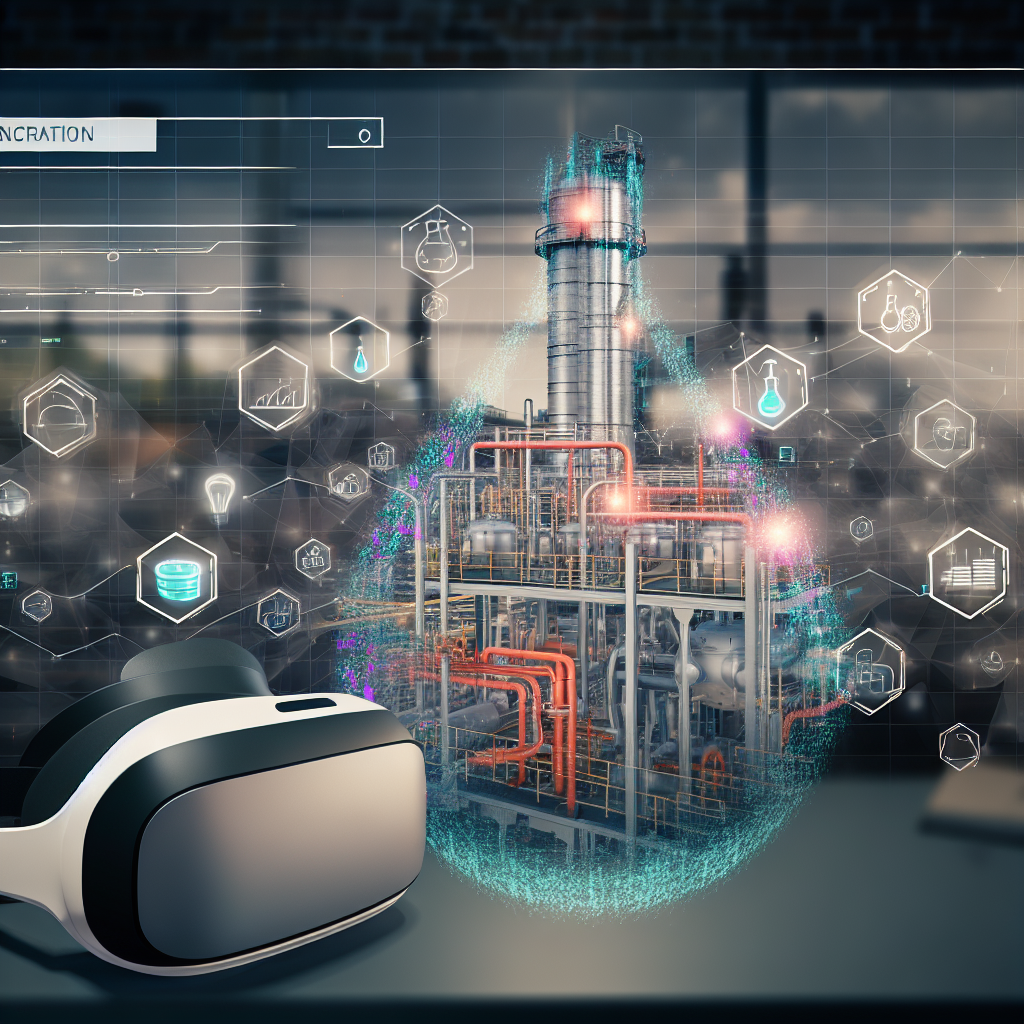
Unlocking Efficiency: How Digital Twins Transform Industries Today
Imagine you have a high-stakes gaming mission that requires you to test out different strategies without any risk of losing your character or game progress. What if you could run simulations of different decisions, see their outcomes, and optimize your strategy without consequence? Well, that’s pretty much what digital twins do for industries. They create a virtual replica of physical systems, allowing businesses to experiment, analyze, and enhance their operations. If you think this sounds too futuristic, think again—digital twins are already reshaping everything from manufacturing to healthcare.
What Exactly is a Digital Twin?
A digital twin is a virtual model of a physical object or system that simulates its real-world performance using data input from various sources. Envision it as a highly detailed simulation that mirrors the actual object in real time, providing insights that help in decision-making. They utilize the power of IoT (Internet of Things) sensors to gather data, which is then analyzed to improve processes, predict failures, and create better products.
For example, let’s say you own a factory that produces electronic components. Every machine you use could have a digital twin. These twins collect data on machine performance, energy consumption, and potential wear and tear, allowing you to pinpoint issues before they become critical—like knowing that your gaming controller’s battery is running low before you’re about to land that epic final blow.
Implementing Digital Twins: How it Works
The implementation of digital twins might sound complicated, but it can be broken down into simple steps:
- Data Collection: Gathering data from the physical object through sensors or existing data logs is the first step. For a gaming computer, this could include CPU usage, temperature, or even user interface performance.
- Integration: This data is then integrated into a digital platform where the virtual twin is created. Think of it as creating an ultra-realistic avatar for your digital world.
- Simulation: After the twin is developed, it simulates various conditions to forecast performance, identify weak points, and propose improvements. This is akin to running a simulation of a game level to test different strategies.
- Optimization: Finally, using the insights gained, businesses can fine-tune operations or product designs, ultimately improving efficiency and reducing costs.
Real-World Transformations: Industries Embracing Digital Twins
So, how are digital twins revolutionizing specific industries? Let’s take a closer look through some real-world examples.
Manufacturing
In manufacturing, General Electric (GE) has led the charge with digital twins in their jet engine production. They create a digital twin of every engine they manufacture, which not only helps in tracking performance in real time but also assists in predicting maintenance needs. This means airlines can avoid unexpected engine failures, leading to safer and more efficient flights.
Healthcare
The healthcare sector is also undergoing a digital twin revolution. The University of Michigan has created digital versions of specific organs, such as the heart, to assist surgeons in preparing for complex surgeries. By running simulations using these digital twins, surgeons can identify the best techniques and strategies, potentially reducing the risk and duration of surgeries. It’s like having a practice round before the real battle.
Smart Cities
Imagine a city that could manage traffic flow, public safety, and energy consumption in real-time. Singapore is already investing heavily in digital twins to create smart cities. By using a digital twin of the city, officials can analyze traffic patterns, optimize public transport routes, and develop better urban planning strategies. It’s like making adjustments to your gaming environment to improve user interaction—only this time, it’s to enhance the quality of life for residents.
Challenges and Considerations in Digital Twin Adoption
While the benefits of digital twins are undeniable, challenges persist. Data security concerns, costs related to implementation, and the requirement for skilled personnel are significant barriers that businesses face. For smaller companies, the investment in technology and infrastructure could be a hefty commitment. Yet, as technology continues to advance and democratize, these hurdles may gradually diminish.
Moreover, the integration of digital twins into existing systems must be seamless, requiring companies to ensure that data flows flawlessly. If the process is too complicated, it may lead to inefficiencies, counteracting the very benefits they seek to achieve. Think of it like trying to merge two different gaming platforms; it needs to be perfectly compatible for the best experience.
The Future of Digital Twins: What Lies Ahead?
As industries continue to embrace digital transformation, the future of digital twins looks incredibly promising. We can expect advancements in artificial intelligence and machine learning to enhance the capabilities of digital twins, making them even more efficient at predicting outcomes and optimizing real-time operations.
Moreover, as more industries recognize the value of digital twins, we might see a broader application in sectors like retail for supply chain management or even agriculture for precision farming. Just as gaming has evolved from simple 8-bit graphics to sophisticated virtual realities, industries are on a similar path toward innovative and efficient solutions.
Unlocking Potential: Digital Twins & You
In a world that increasingly demands efficiency and adaptability, digital twins are proving to be a game changer across various sectors. They allow businesses to preemptively solve problems, innovate products, and enhance customer satisfaction. Just as tech enthusiasts like you fine-tune your gaming strategies for that ultimate victory, industries are using digital twins to unlock new levels of efficiency and effectiveness.
As we stand on the brink of a digital technology explosion, think about how these virtual replicas can not only shape industries but also your daily experiences. Whether you’re a tech enthusiast looking to stay ahead of the curve or someone curious about how digital innovations can improve everyday life, understanding and embracing digital twins is essential.

