

Unlocking Efficiency: How Smart Factories Are Revolutionizing Manufacturing Today
Imagine walking into a factory where machines communicate seamlessly with each other, anticipating issues before they arise and adjusting processes in real time. This isn’t a scene from a futuristic movie but the reality of smart factories, where technology is reshaping the landscape of manufacturing. With growing demands for speed and customization, manufacturers face an age-old question: how do we keep up without sacrificing quality? Let’s explore the revolution happening behind factory walls and how smart technology is unlocking new levels of efficiency.
The Rise of Smart Factories
Smart factories are not just a trend; they are the next step in manufacturing evolution. These facilities harness advanced technologies like the Internet of Things (IoT), artificial intelligence (AI), and big data analytics to create a more interconnected and responsive manufacturing environment. According to a report by McKinsey, smart manufacturing can boost productivity by up to 30%—an enticing prospect for any business looking to stay ahead of the curve.
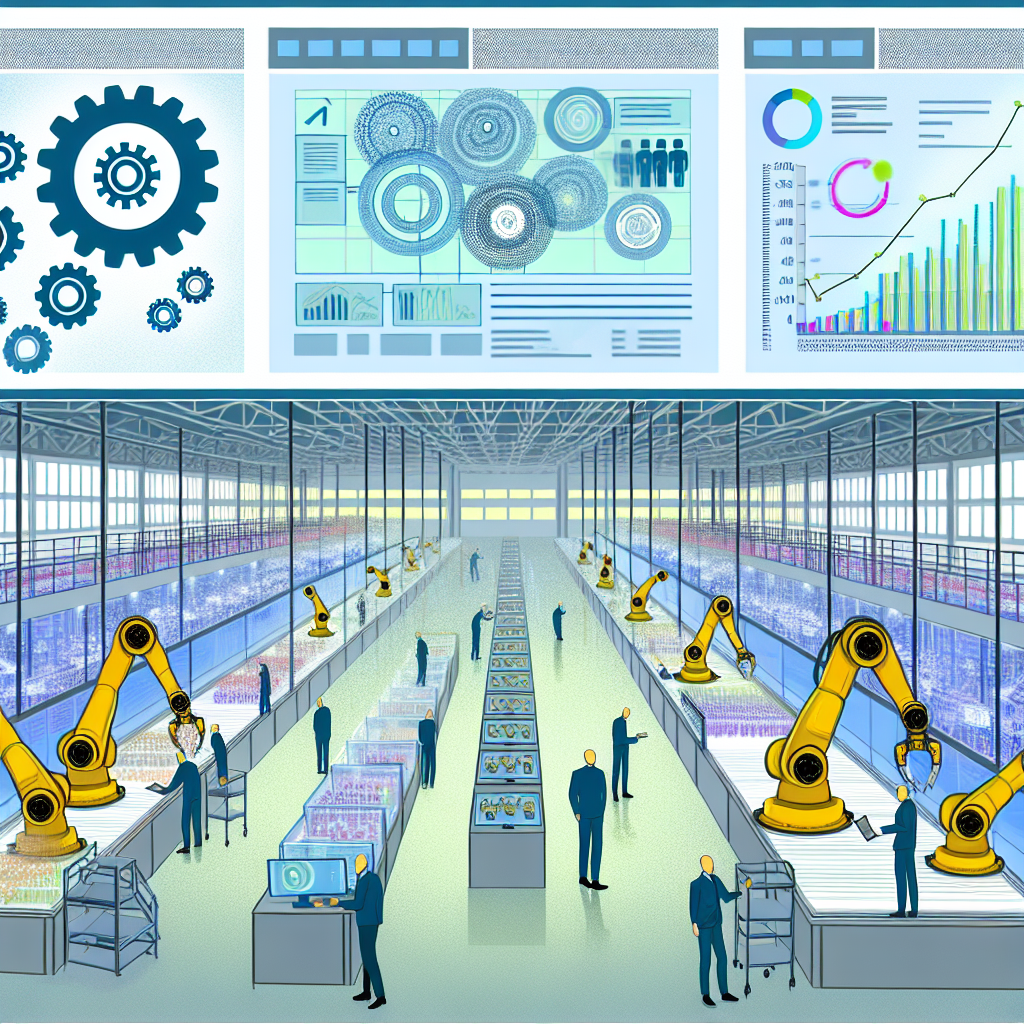
Picture a traditional factory: heavy machinery, assembly lines, and a relentless focus on output quantity. Now, visualize a smart factory: sensors placed throughout the production line monitoring every aspect, from temperature to machine efficiency. Real-time data flows, enabling instant adjustments to improve quality and reduce scrap—a win-win situation.
Real-World Applications of Smart Manufacturing
Let’s dive into some real-world examples that illustrate how this smart manufacturing revolution is taking shape.
- General Electric (GE): GE has integrated IoT sensors into their manufacturing processes. For instance, their gas turbine manufacturing facility employs predictive maintenance, monitoring machinery for signs of wear and tear. By addressing issues before they become critical, GE has saved millions in downtime and repair costs.
- Siemens: Siemens has taken automation to a new level with its “Digital Twin” technology. This virtual model of a production system is tested in real-time, allowing the company to adjust workflows and reduce errors before physical production starts. It’s like having a rehearsal before the main performance!
- Ford: The automotive giant has embraced smart technology in its manufacturing plants to produce vehicles with more customization options. Thanks to flexible manufacturing systems, Ford can switch production from one model to another with minimal downtime, meeting consumer demands without sacrificing efficiency.
How Smart Factories Enhance Efficiency
The advantages of smart factories extend beyond higher productivity. Let’s break down the key benefits more granularly:
- Data-Driven Decisions: With real-time analytics, factory managers can make informed decisions quickly. For instance, if a machine starts to show signs of inefficiency, the system can recommend immediate changes, avoiding costly slowdowns.
- Reduced Waste: Smart factories have systems in place to monitor waste production and energy consumption, significantly reducing overall material waste. This means fewer resources used, lower costs, and a smaller carbon footprint—something we all can applaud.
- Better Supply Chain Management: By utilizing advanced forecasting algorithms, factories can anticipate demand fluctuations and manage inventory levels more effectively, minimizing overproduction and storage costs. Think of it as having your favorite game pre-loaded with all the expansions before you even request them.
The Human Element: Workforce Transformation
While technology takes center stage in smart factories, the workforce plays a crucial role in this transformation. Picture factory workers equipped with augmented reality (AR) goggles, receiving on-the-spot guidance as they assemble complex machinery. These devices can overlay instructions and diagnostics right into the technician’s field of view—not just enhancing productivity but also making training processes more engaging.
Additionally, as repetitive tasks become automated, employees can shift their focus toward more strategic roles—an exciting prospect for anyone looking for job enrichment. The fear of job losses due to automation is understandable; however, the reality is that smart factories often lead to the creation of new jobs requiring advanced skills in technology and operations management.
Challenges and Considerations
Despite the plethora of advantages, transitioning to a smart factory isn’t without its challenges. The initial investment in smart technology can be daunting, especially for smaller manufacturers. The key here is to view this as a long-term investment in efficiency and sustainability rather than an immediate expense. Companies that embrace smart manufacturing stand to reap significant rewards, including improved competitiveness in an increasingly crowded market.
Moreover, cybersecurity should not be overlooked. As factories become increasingly connected, they also become more vulnerable to cyberattacks. It’s essential for manufacturers to implement robust security measures to protect sensitive data and maintain operational continuity.
Looking Ahead: The Future of Smart Factories
The excitement around smart factories is just the tip of the iceberg. As technology advances, we can expect to see even greater innovations. The rise of 5G technology, for instance, promises faster data transfer speeds, enabling more real-time communication between machines and systems. This will allow for even more interactive and efficient operations.
Moreover, machine learning algorithms will continue to evolve, improving predictive analytics and enhancing decision-making processes in ways we can’t yet imagine. The integration of blockchain technology could also revolutionize traceability and transparency in manufacturing processes, providing consumers with peace of mind about product origins and supply chain ethics.
Your Role in This Revolution
As consumers, we can celebrate and support the innovations coming out of smart factories without even stepping into one. Understanding the manufacturing journey of the products we use—whether it’s electronics, vehicles, or even everyday household items—can enrich our appreciation for the craftsmanship and technology behind them. Sharing your experiences or joining discussions about smart technology can help spread awareness and further drive adoption.
In sum, the rise of smart factories signals a golden opportunity for manufacturers to rethink their processes, harness technology, and lead their industries toward a more efficient and sustainable future. Just like in gaming, where leveling up requires a mix of skill, strategy, and the right tools, manufacturers too must embrace innovation as they forge ahead into a brave new world of smart manufacturing.
So next time you pick up a product, take a moment to appreciate the sophisticated technology and smart thinking that made it possible. The revolution is underway—and it’s transforming not just factories, but the very way we think about manufacturing as a whole.

