

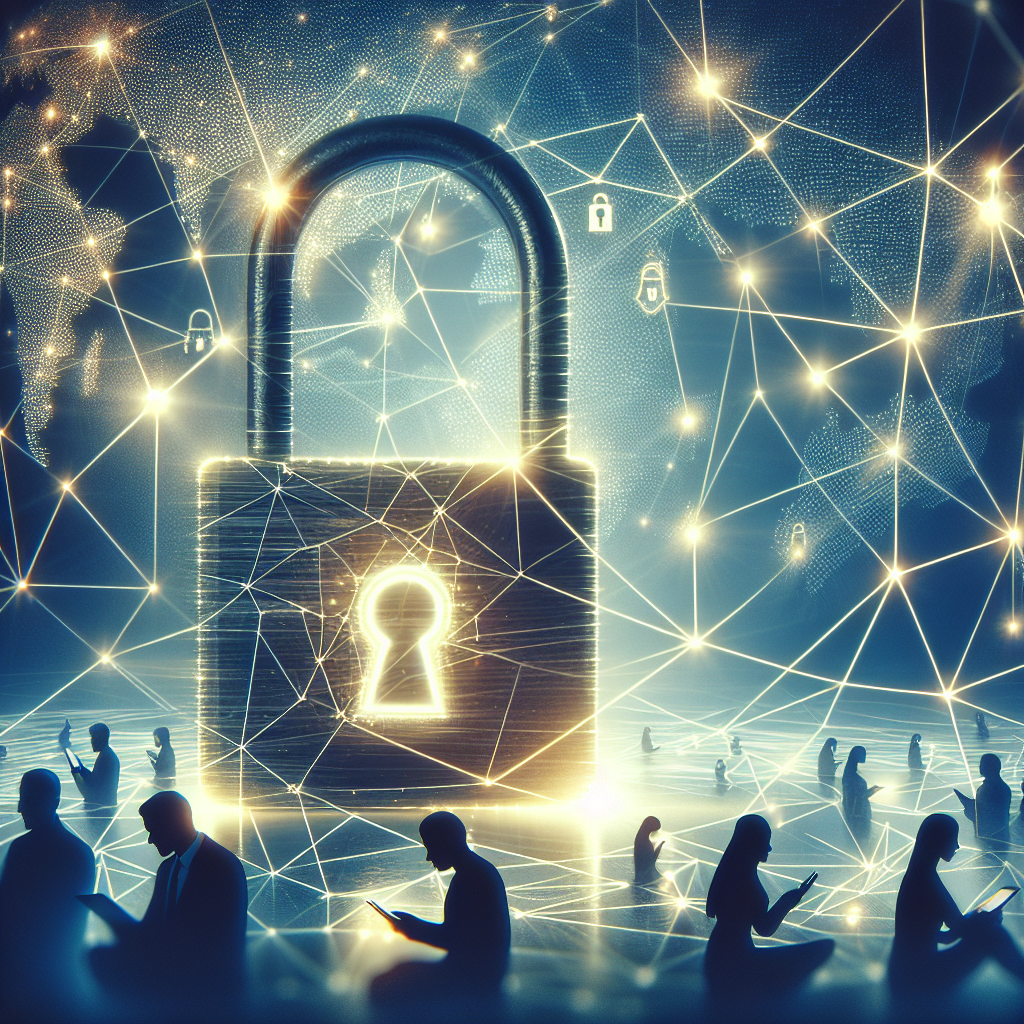
Unlocking Freedom: Why Decentralized Social Networks Are Reshaping Online Interaction
Every day, billions of people log onto social media platforms, sharing snapshots of their lives, thoughts, and creativity. But have you ever thought about the hidden costs of that sharing? Did you know that platforms like Facebook or Twitter often monetize your data without your explicit consent? This reality has led many users to seek alternatives that value privacy and user control: enter decentralized social networks.
The Power Shift: Control Back to the Users
Imagine waking up one day and realizing that the platform you’ve invested your time, emotions, and creativity into has decided to change the rules. Your posts suddenly have limited visibility, your favorite features have vanished overnight, and customer support is nowhere to be found. Sounds familiar, right? This is precisely why decentralized social networks are gaining traction.
Decentralized platforms, in simple terms, distribute data across multiple servers rather than relying on a single entity to control the flow. This means users have more control over their data, and it reduces the chances of censorship or manipulation. Platforms like Mastodon and Diaspora are at the forefront of this movement, offering a refreshing take on how we can interact online.
Why Choose Decentralization?
So, what makes decentralized social networks a worthy alternative? Here are some compelling reasons:
- Data Ownership: Your data is yours. No more algorithms deciding what you see or who your posts reach. You control your narrative.
- Community First: Decentralized platforms foster smaller communities, making connections more personal and meaningful. You engage with like-minded individuals rather than an overwhelming digital crowd.
- Resilience Against Censorship: With no central authority, the chances of censorship diminish significantly. You can express yourself freely without the fear of being silenced.
- Transparency: Users can view and even contribute to the code, ensuring that there are no hidden agendas or undetected changes happening behind the scenes.
Real-World Use Cases: How Decentralized Social Networks Are Changing the Game
Curious how these principles translate into real-world scenarios? Let’s delve into some examples that illustrate the vibrant potential of decentralized social networks.
Mastodon: One of the more popular decentralized alternatives, Mastodon, resembles Twitter, allowing users to post short updates (or “toots”) and follow others. Users can join different servers (or instances), each with its own community guidelines and themes. For instance, an artist might choose a server dedicated to creative discussions, fostering a more targeted and supportive environment for their work.
Peertube: For video enthusiasts, Peertube offers a decentralized approach to video sharing. Unlike YouTube, which controls the monetization and visibility of content, Peertube allows users to host their own videos on independently operated servers. Creators can build their audience on their terms, connecting with fans who appreciate their unique voice without the threat of sudden policy changes.
How to Get Started with Decentralized Social Networks
If you’ve decided to try a decentralized social network, here’s a quick guide to help you transition seamlessly:
- Identify Your Needs: Determine what you’re looking for in a network. Are you a gamer seeking to connect with fellow enthusiasts, or perhaps an artist wanting to showcase your work? Research platforms that align with your interests.
- Create an Account: Signing up for decentralized networks is often straightforward. For Mastodon or Diaspora, choose an instance that speaks to you and follow the registration prompts.
- Engage with the Community: Start by introducing yourself! Share your interests and join conversations that pique your curiosity. The key is to interact and immerse yourself in the community.
- Explore Features: Familiarize yourself with the unique features these networks offer. Discover how to customize your profile, join or create groups, and manage your content.
The Future of Online Interaction
As decentralized social networks gain popularity, they present a unique opportunity for reshaping how we interact online. They’re not just a trend; they signify a demand for a more human-oriented digital experience. Imagine a virtual world where creators feel empowered, users enjoy genuine interactions, and privacy is prioritized. It’s a thrilling prospect that many are now willing to explore.
Beyond just alternative platforms, this movement invites a larger question: how can we reclaim our online narratives? Each person who chooses decentralization sends a message about their values and priorities. With every new user, a step is taken towards a more inclusive, diverse, and free digital future.
Join the Movement
The rise of decentralized social networks is more than just a shift in platforms; it’s a collective stride towards empowerment, privacy, and meaningful interactions. Whether you’re a hardcore gamer planning to share gameplay tips, a casual user looking to browse art, or a tech enthusiast curious about innovations, there’s a place for you in this evolving space.
As you navigate your digital life, consider stepping into the realm of decentralized networks. Your voice deserves a platform where it can be heard without constraints. So why not explore your options and join the movement toward a freer online experience? The future of social networking is here, and it’s waiting for you!

