

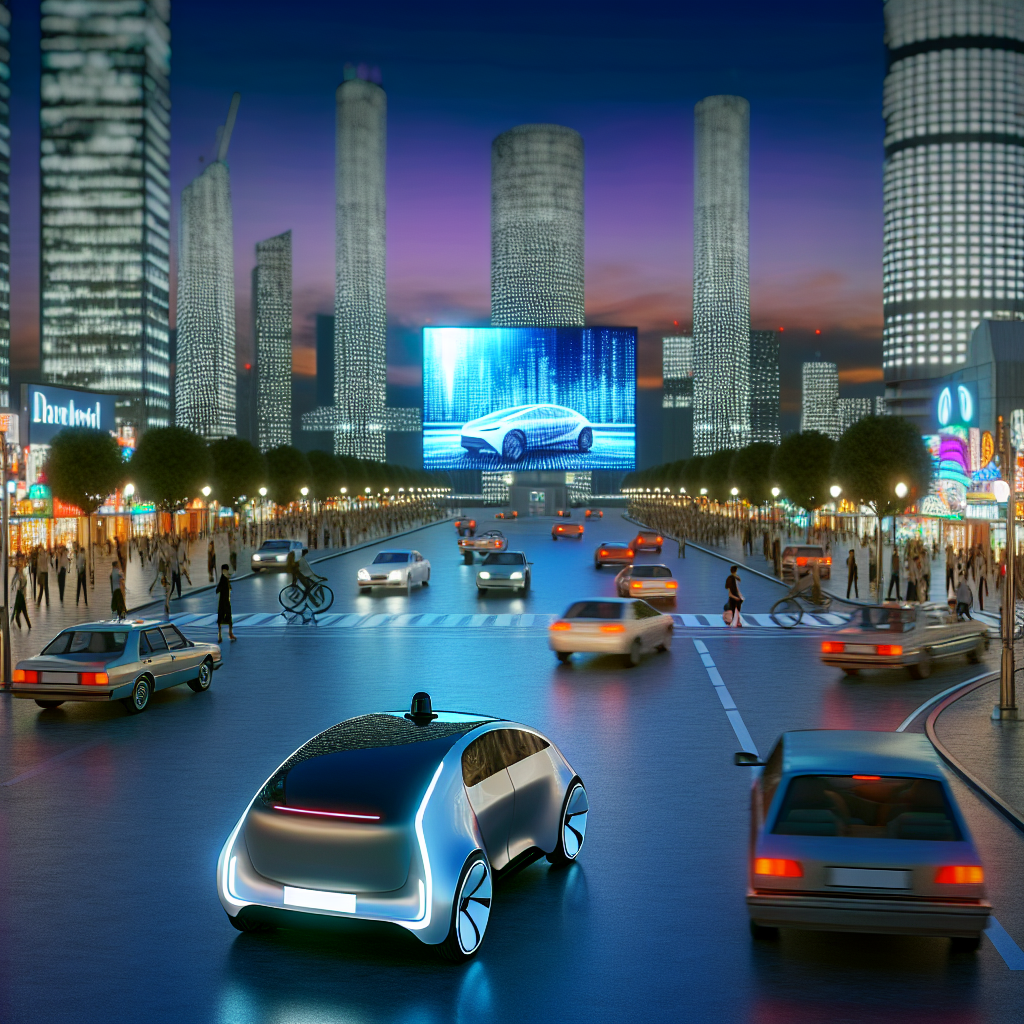
Unlocking the Future: How Self-Driving Cars Are Transforming Urban Mobility
Picture this: you’re running late for an important meeting, and the traffic lights seem to be conspiring against you. You could wish for a teleportation device, but reality dictates that we are still bound to our bustling city streets. Now, imagine if your car could autonomously navigate through the gridlock, dropping you off right at the entrance of your office. This isn’t the stuff of science fiction; it’s the promise of self-driving cars. As they begin to roll into our urban environments, navigating through the maze of modern life, it’s essential to explore just how they are reshaping our cities and our experiences within them.
Self-Driving Cars: A Brief Overview
Self-driving cars, or autonomous vehicles (AVs), are engineered to navigate without human intervention. Using a combination of sensors, cameras, and artificial intelligence, these vehicles can interpret their surroundings and make decisions in real-time. With tech giants like Tesla, Waymo, and even traditional auto manufacturers investing heavily in this technology, we’re standing on the brink of a revolutionary shift in urban mobility.
Making the Commuter Experience Smoother
Imagine stepping into your self-driving car with a coffee in hand, and instead of gripping the wheel and cursing at the traffic, you simply hit “Home” on the touchscreen. You can catch up on emails, scroll through social media, or even take a quick nap—all while your car safely transports you. This revolutionises your commuting experience, transforming that often-dreaded part of the day into something productive or relaxing.
- Less Stress: The automated systems can handle everything from navigating through traffic to finding a parking spot.
- More Time: Instead of focusing on driving, you can use your time for work or leisure.
- Improved Safety: With fewer accidents caused by human error, overall road safety is expected to increase.
Impact on City Planning and Infrastructure
As self-driving technology matures, it has far-reaching effects on urban design. Consider the potential reductions in parked vehicles on city streets. Current parking lots could be transformed into green spaces, public parks, or even residential units. Urban planners may start to envision cities designed around the needs of AVs, leading to free-flowing traffic patterns and redesigned roadways.
For instance, San Francisco has begun to promote changes in local infrastructure to accommodate these vehicles, such as dedicated AV lanes. This helps in minimizing congestion while ensuring that the existing vehicular traffic doesn’t suffer. And who wouldn’t appreciate a little bit more greenery in the concrete jungle?
Accessibility for All
Self-driving cars could also be a game-changer for individuals with disabilities or those unable to drive. The technology’s promise is that anyone, from senior citizens to visually impaired individuals, may gain greater mobility and independence. For example, stories are emerging from pilot programs in cities like Phoenix, where AVs have been used to transport seniors, allowing them easier access to healthcare and social events.
This hasn’t just been a theoretical discussion; we’re seeing practical implementations. Ride-sharing services like Uber have started experimenting with AVs in select markets, allowing individuals who might not typically have transport access to enjoy the freedom that comes with it.
The Future of Ride-Sharing and Public Transit
The implications for ride-sharing platforms are enormous. Imagine your Uber or Lyft arriving autonomously without a driver. This not only reduces operational costs for these companies but could also lead to more competitive fares for consumers. Less reliance on human drivers could also alleviate labor shortages currently plaguing the ride-hailing industry.
Public transportation could see a transformation as well, with self-driving buses and shuttles integrated into existing systems. Cities could implement on-demand AVs to complement traditional transit services, ensuring that areas previously deemed too low in ridership become viable. This “last-mile” solution could dramatically improve public transport’s usability.
Challenges and Concerns
While the promise of self-driving cars is enticing, it’s not without its hurdles. Regulatory frameworks, ethical dilemmas, and technological limitations all pose challenges. For instance, who is responsible in the event of an accident involving an autonomous vehicle? Additionally, the software that powers these cars must be impeccably secure to prevent hacking amidst growing cybersecurity concerns.
Urban dwellers are also likely to have mixed feelings about sharing the roads with these vehicles. Public sentiment will play a significant role in their acceptance. Trust must be built, particularly in places where pedestrian safety could be at risk. Engaging with communities to foster understanding and addressing concerns proactively will be essential.
Conclusion: A Vision for Tomorrow
As the wheels of technology keep turning, self-driving cars are positioned to revolutionize urban mobility dramatically. The future we envision with less congested streets, a greener environment, and improved accessibility doesn’t have to remain a dream. Of course, realizing this vision will require collaboration among tech innovators, urban planners, legislators, and community activists.
It’s fascinating to think about how soon we might be telling our friends about that glorious day when our cars whisk us away while we relax in the backseat. It’s a future that’s not so distant after all; it’s just around the corner, waiting to be unlocked.
As this transformation unfolds, let’s remember that while self-driving cars are an incredible technological advancement, it’s how we integrate them into society that will ultimately define our urban experiences in the years to come.

