

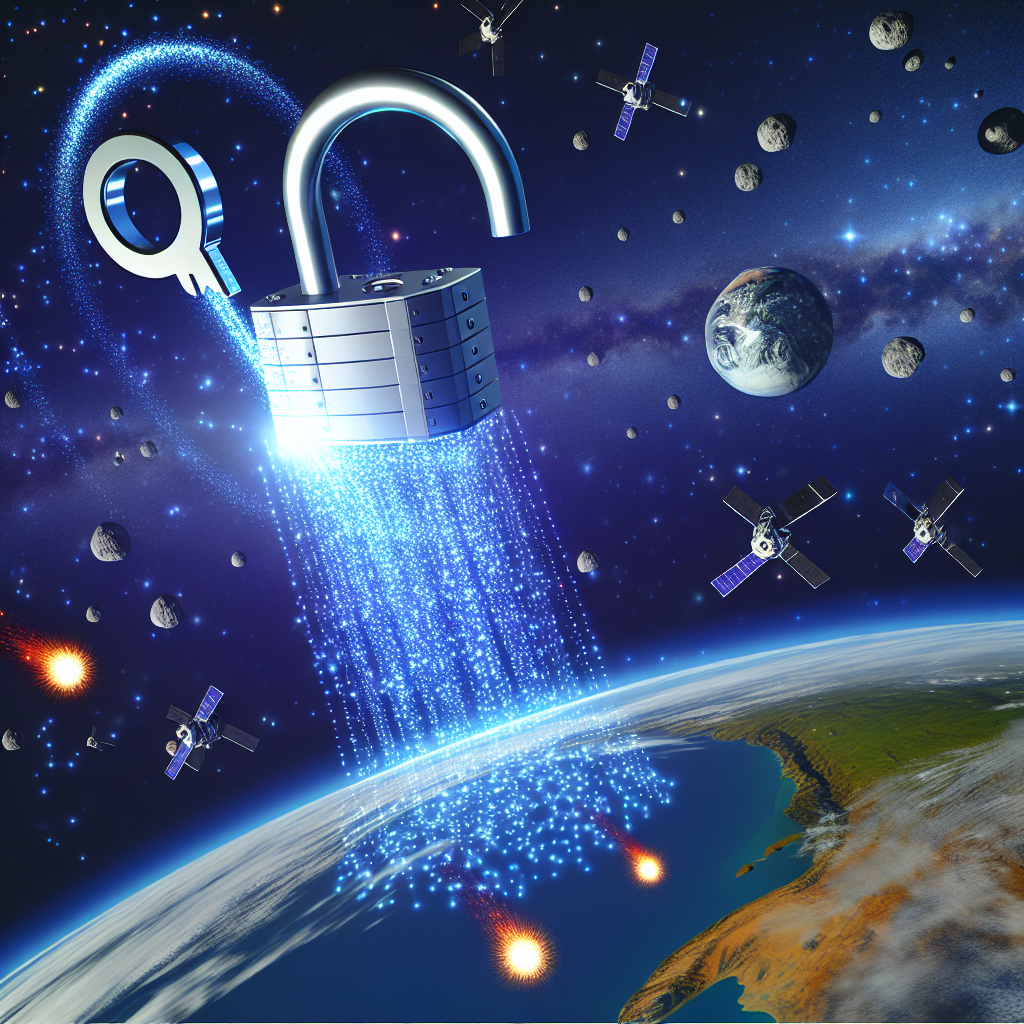
Unlocking the Future: How Starlink is Revolutionizing Global Internet Access
Imagine for a moment that you’re in a small town, surrounded by breathtaking views of nature but also the frustrating absence of reliable internet. Whether you’re trying to catch a glimpse of the latest gaming trend, stream your favorite show, or connect with friends online, lack of internet puts a serious damper on the experience. For millions, this isn’t just a hypothetical scenario—it’s a daily reality. Enter Starlink, the satellite internet constellation by SpaceX, turning the tables for users globally.
What is Starlink?
Starlink’s vision is simple yet ambitious: offer fast and affordable internet to everyone, no matter where they reside on the planet. Launched in 2018, this venture by Elon Musk aimed at creating a constellation of low-orbit satellites that could beam internet access to even the most remote corners of the Earth. The number speaks for itself—over 3,000 satellites are already in orbit, with plans for thousands more.
The Game-Changing Technology
So, why is Starlink making waves in the internet space? One of its most innovative aspects is the deployment of satellites in low Earth orbit (LEO). Unlike traditional satellites which orbit much higher and experience latency issues, Starlink’s satellites are closer to the ground. This lowers ping times, meaning your gaming, streaming, and video calls experience smoother performance.
Real-World Impact: Meeting Gamers and Tech Enthusiasts’ Needs
Let’s paint a picture: you’re a hardcore gamer living in a rural area plagued by slow internet speeds. You want to participate in that new online battle royale game everyone is raving about, but every time you try to join a match, you’re met with lag. Starlink is here to change that. Early adopters report download speeds surpassing 100 Mbps, with latency dipping below 50 ms—gift-wrapping the online gaming community’s dreams.
Take Sarah, for example. A casual gamer who lives on a farm miles away from the nearest city, her internet woes made even downloading game updates a challenge. After signing up for Starlink, she experienced a dramatic shift. Not only could she download updates in minutes rather than hours, but she could also join her friends in online raids. The difference was night and day.
Bridging the Digital Divide
Starlink isn’t just about providing internet to gamers and tech enthusiasts; it’s playing a pivotal role in bridging the digital divide. In developing countries and remote communities, access to the internet can mean the difference between economic opportunity and stagnation.
Consider Juan, a small business owner in a rural village in Latin America. For years, his business suffered from limited access to the internet, hindering growth and customer engagement. With the advent of Starlink, he’s now able to manage an online store, communicate with suppliers, and reach customers beyond his local community. The ripple effect of this newfound connectivity can empower countless entrepreneurs like him.
The Beautiful Simplicity of Setup
Getting started with Starlink is refreshingly straightforward. After placing an order through their website, users receive a satellite dish, commonly known as a “Dishy,” and a Wi-Fi router. Setup involves minimal fuss—just point the dish toward the sky (the app helps with that) and plug it in. In minutes, users are online and connected, ready to explore the digital landscape.
- Order your Starlink Kit: Visit their website to place an order based on your location.
- Unbox your Dishy: Inside you’ll find your satellite dish, a Wi-Fi router, and all necessary cables.
- Set Up: Use the app to position your dish for the best angle, which is a breeze with guided instructions.
- Go Live: Once powered on, your internet connection will be solidified in mere moments.
Challenges Ahead
While Starlink’s potential is monumental, it faces its fair share of challenges. Satellite internet, though revolutionary, isn’t without its flaws. Environmental concerns have arisen about space debris; with thousands of satellites in orbit, risks of collisions and the impact on space ecology are legitimate points of contention. Furthermore, the initial investment might be a hurdle for low-income communities even with affordable monthly plans.
Also, let’s not ignore that some might experience variable connectivity during adverse weather conditions—rain or heavy snow can sometimes throw a wrench into the works. However, continuous upgrades and advancements in technology are paving the way for solutions, and SpaceX is known for its relentless innovation.
What Lies Ahead for Starlink and Global Internet Access?
The future looks bright for both Starlink and global connectivity. The service is constantly evolving, with feedback from users helping SpaceX enhance service quality. As more satellites are launched, reliability and speed are expected to improve further. Moreover, SpaceX’s vision extends beyond individual users—they have ambitions to provide internet access to schools, hospitals, and even emergency responders in disaster-affected areas.
Picture this: a community struck by a natural disaster suddenly finds itself connected with essential services, able to receive updates and coordinate relief efforts in real time, all thanks to an orbiting network. This is not just a technological evolution; it’s a social revolution.
Conclusion
Starlink is more than just a fascinating example of space-age technology; it’s a catalyst for change, flipping the narrative on who gets access to the internet. Whether you’re a gamer looking to level up, a small business owner carving out a market, or a family wanting to connect with loved ones, Starlink is working tirelessly to eliminate barriers. The exciting part? This is just the beginning. With the internet becoming an essential part of everyday life, moving toward accessible global connectivity is the goal, and Starlink is blazing that trail. Time to set your sights sky-high!
For those interested in exploring more about Starlink’s journey and future plans, visit Starlink’s official website for additional details.

