

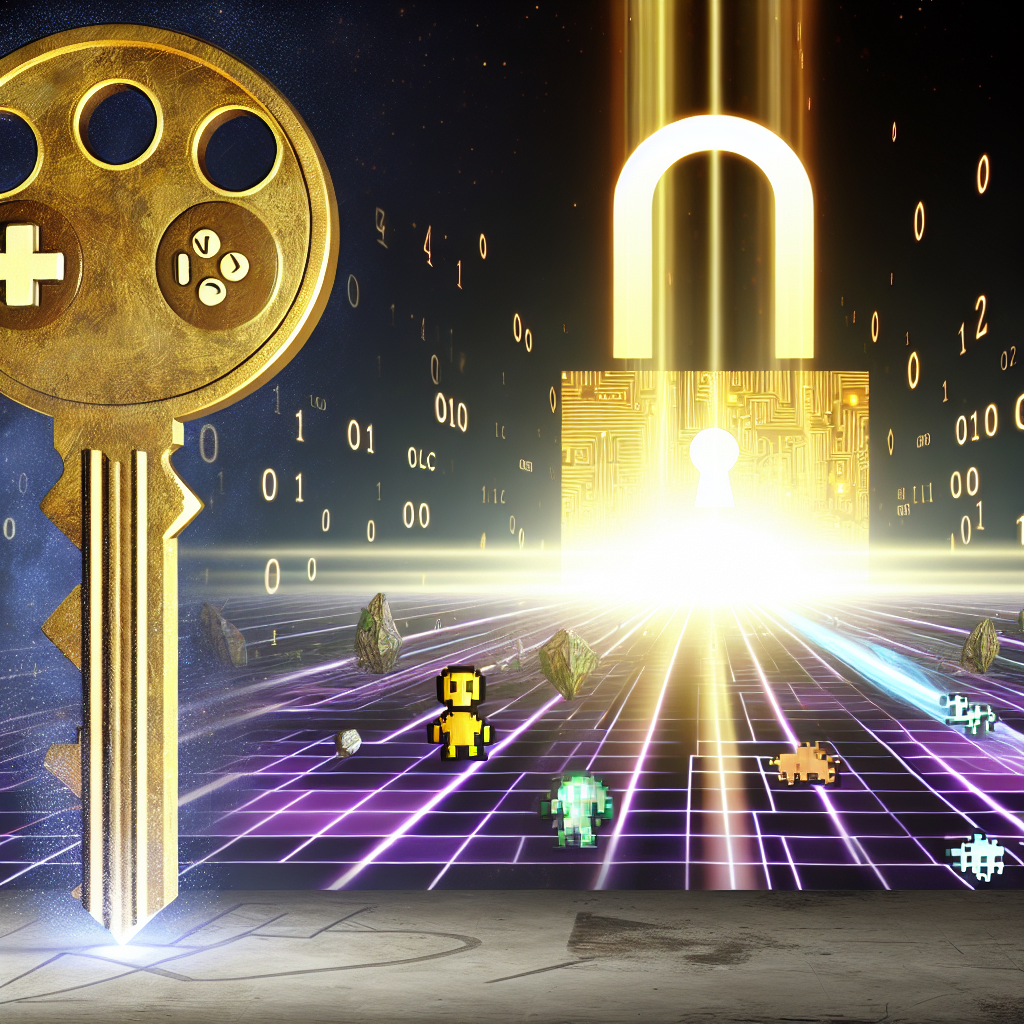
Unlocking The Future: The Evolution of DLC in Modern Gaming
Imagine you’ve just completed a thrilling quest in your favorite RPG, only to find out there’s an entire new story expansion waiting for you. This moment embodies the allure of downloadable content (DLC) in modern gaming—a phenomenon that has transformed how we experience and enjoy games. Yet, as captivating as DLC can be, its evolution harbors complexities that have sparked debates among gamers and developers alike. Let’s dive into this journey through the timeline of DLC, exploring both its triumphs and pitfalls, and envisioning where it’s headed next.
The Birth of DLC: A New Era
To fully grasp the significance of DLC, we must rewind to the late 90s, when the concept first flickered to life. Initially, gamers were accustomed to purchasing complete packages. However, as technology advanced, so did the possibilities. The launch of the PlayStation Network in 2006 marked a critical turning point, allowing users to download additional content for their favorite games.
Take, for example, the iconic Halo 2. When it launched in 2004, the developers dared to break the mold by integrating multiplayer maps as downloadable content. It was a win-win: gamers got fresh gameplay experiences, while developers opened new revenue streams. This foreshadowed a burgeoning trend, setting the stage for an influx of DLC that would permeate the gaming community.
Types of DLC: The Good, The Bad, and The Ugly
As the popularity of DLC soared, so did its variety. Today, we encounter several types of DLC, each designed to enhance the gaming experience.
- Expansions: These are significant additions that expand the game’s universe. Think of The Witcher 3‘s expansions, like “Hearts of Stone,” which add hours of gameplay and rich narratives.
- Cosmetic Items: These allow players to personalize their characters without impacting gameplay. Titles like Fortnite thrive on this model, turning character skins into a lucrative business.
- Season Passes: Gamers can purchase a season pass to access a series of planned DLCs over a period. This strategy was notably adopted by Call of Duty franchises, keeping the community engaged across multiple releases.
- Microtransactions: These are smaller purchases that can be made for bonus content or in-game currency. While they are designed to be optional, they can sometimes lead to “pay-to-win” scenarios, sparking controversy.
While the flexibility of DLC provides players with choice, it also presents challenges. Microtransactions, especially, have drawn criticism for creating inequality among players. A casual player might feel disadvantaged against those willing to invest more money for in-game advantages. This led to a much-needed conversation about fairness and accessibility in gaming.
The Community Speaks: Gamer Reactions to DLC
The relationship between gamers and DLC is a fascinating tapestry of enthusiasm, skepticism, and sometimes outright hostility. In many cases, DLC has received rave reviews for adding depth and excitement. Final Fantasy XIV, for instance, has seen its player base soar thanks to its comprehensive expansions. But not all DLC has been received with open arms.
Consider the backlash against Mass Effect 3‘s “From Ashes” DLC, which many gamers felt was a necessary storyline cut from the main game, effectively forcing them to pay extra to access vital content. This sentiment of “content gating” has fueled debates throughout gaming forums and social media platforms, resulting in a colder reception for titles that adopt similar strategies.
The Future of DLC: What Lies Ahead?
As technology continues to advance, the potential for DLC is expanding exponentially. With the rise of cloud gaming and subscription services like Xbox Game Pass and PlayStation Plus, we may see a shift in how DLC is delivered. Could the future bring us seamless access to an entire library of games along with all available DLC at a flat fee? The possibility is tantalizing.
Moreover, the rise of online communities and user-generated content suggests that players might become pivotal contributors to game development. Take Roblox as an example—it’s not just a game but a platform where players can create and share their own experiences, blurring the lines between developer and player.
Imagine a world where your favorite games evolve based on community feedback and contributions, leading to adaptive content that reflects the interests of the players. This not only positions players at the heart of the gaming experience but could also lead to a more inclusive and dynamic gaming environment.
Conclusion: The DLC Dilemma—Balancing Profit and Passion
The evolution of DLC has unlocked new opportunities for developers and provided gamers with deeper, richer experiences. However, challenges remain, especially regarding fairness and community engagement. As we navigate this landscape, striking a balance between profit and passion will be crucial for the future of gaming. The question is no longer just about what we can buy but how we can foster a community that enriches and elevates our gaming experiences. What do you think the future holds for DLC? Will it empower gamers or inadvertently create divides? Only time will tell, but one thing is certain: the evolution is far from over.

