

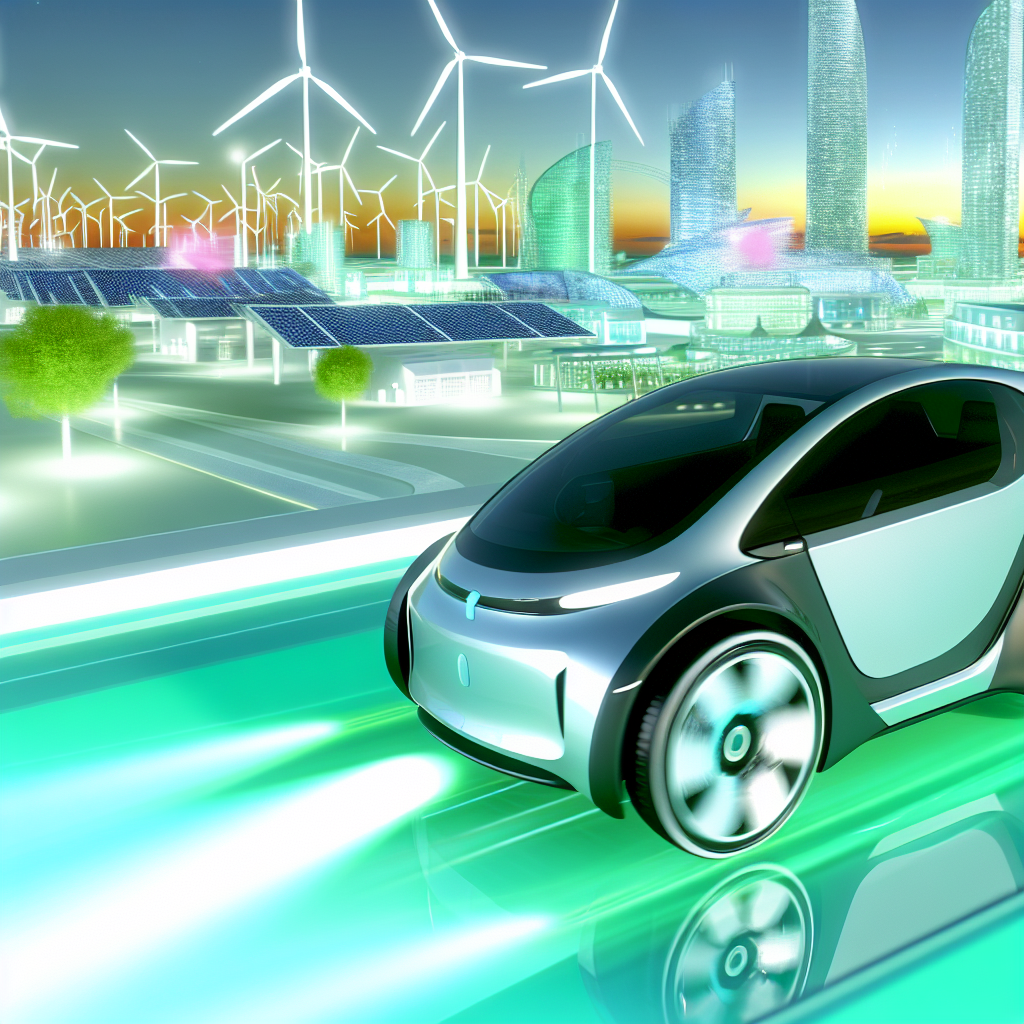
Unlocking the Future: Top 5 Game-Changing Electric Vehicle Trends Today
Imagine a world where your car isn’t just a mode of transport but a smart assistant on wheels, anticipating your needs before you even think of them. With the rise of electric vehicles (EVs), this dream is closer to reality than ever. As EV technology evolves, we’re stepping into a future filled with innovations that are reshaping how we view transportation. Let’s dive into some of the most exciting trends that are paving the way for this electrifying revolution.
1. The Rise of Autonomous Vehicles
Self-driving cars have been the stuff of sci-fi films for decades, but they’re quickly becoming a tangible part of our daily lives. Companies like Tesla, Waymo, and GM are racing to perfect autonomous driving technology. The excitement doesn’t lie merely in the novelty; it’s about enhancing safety and efficiency on our roads.
Imagine sipping your morning coffee while your car navigates through rush hour. According to a 2022 report by the International Transportation Forum, autonomous cars could reduce traffic accidents by 90% once fully implemented. This technology isn’t just about convenience; it has the potential to save lives.
Take Waymo, for instance. Their fleet of autonomous vehicles operates in select urban areas, showcasing real-world applications of this technology. By lowering the chances of human error, they could offer a glimpse into a safer future. For those of you who love gaming, think of it as leveling up in a complex game of real-world driving, where AI anticipates every turn, hazard, and opportunity.
2. Battery Innovations Making Waves
The heart of an electric vehicle is its battery. Traditional batteries, while effective, often fall short in terms of range and charging speed. New trends in battery technology, such as solid-state batteries and lithium-sulfur alternatives, are about to shake things up.
Solid-state batteries promise higher energy densities, which means longer ranges and quicker charging times. This could translate to an EV that charges in under 20 minutes and drives for over 400 miles on a single charge—revolutionizing long-distance travel.
A recent project at Toyota showcases these advancements. They aim to release their solid-state battery technology by 2025, aiming for safety and efficiency that could make electric driving a mainstay for everyone, not just the tech-savvy crowd.
3. Sustainable Manufacturing Practices
As the demand for electric vehicles surges, manufacturers are awakening to the environmental implications of their production processes. Innovative companies are leading the charge with sustainable strategies that minimize the carbon footprint of EV manufacturing. This trend reflects growing consumer awareness and responsibility toward our planet.
- Recyclable Materials: Companies like BMW are pioneering the use of recycled materials in their EV manufacturing processes, significantly reducing waste.
- Renewable Energy Sources: Tesla’s Gigafactories are designed to utilize renewable energy, showing that building a greener future is achievable.
- Responsible Sourcing: As highlighted by companies like Ford, sourcing lithium and other minerals ethically is crucial for minimizing the environmental toll.
By embracing these practices, manufacturers are not only reducing their ecological impact but also appealing to an increasingly eco-conscious consumer base. This shift echoes the values of today’s gamers, who often champion sustainable practices within their communities.
4. Enhanced Vehicle Connectivity
In a world driven by technology and the Internet of Things (IoT), vehicles are becoming more connected than ever. Modern EVs are not just about transport; they’re equipped with tech that can enhance the driving experience significantly. Think about a device that knows you almost as well as your best friend.
Systems like Tesla’s infotainment can update over-the-air (OTA), giving users new features without the need for a dealership visit. These updates can range from new functionalities to enhanced security measures. Imagine your car saying, “Good morning! Today, I’ll ensure you take the fastest route, and I have a new feature you’ll love!”
Moreover, with technologies like Vehicle-to-Everything (V2X) communication, your car could communicate with infrastructure, other vehicles, and even smart homes. Want to return home to a pre-heated environment? Your EV could send a signal a mile away, adjusting your thermostat just in time!
5. Charging Infrastructure Expansion
For those still nervous about jumping into the EV scene, one of the biggest improvements that’s easing that anxiety is the rapid expansion of charging infrastructure. Gone are the days when owning an electric vehicle meant hunting endlessly for a charging station.
In 2023, various companies are racing to build charging stations, ensuring they are as ubiquitous as gas stations. For instance, ChargePoint has made significant strides by installing thousands of charging stations across urban and rural settings, transforming our highways into electric-friendly routes.
Moreover, innovative models like mobile charging units are entering the scene. Picture a small truck that shows up to your location, providing a charge on the go for those unexpected low-battery moments during your road trip or commute.
Conclusion
The electric vehicle landscape is teeming with innovative trends that promise to redefine our journeys. From autonomous technology that offers safety and convenience to battery advancements that extend our driving range, the future is brimming with possibilities. Manufacturers are stepping up, adopting sustainable practices that will benefit both consumers and the planet.
As we embrace these changes, we find ourselves at the intersection of technology and humanity. Whether you’re a hardcore gamer or just someone looking to make smarter, greener choices, the future of electric vehicles is here, ready to unlock new adventures on the road.
To stay ahead in this electrifying journey, explore more about electric vehicles and their technologies from reliable sources such as Wired Transportation, Green Car Reports, and The Verge – Electric Vehicles.

