

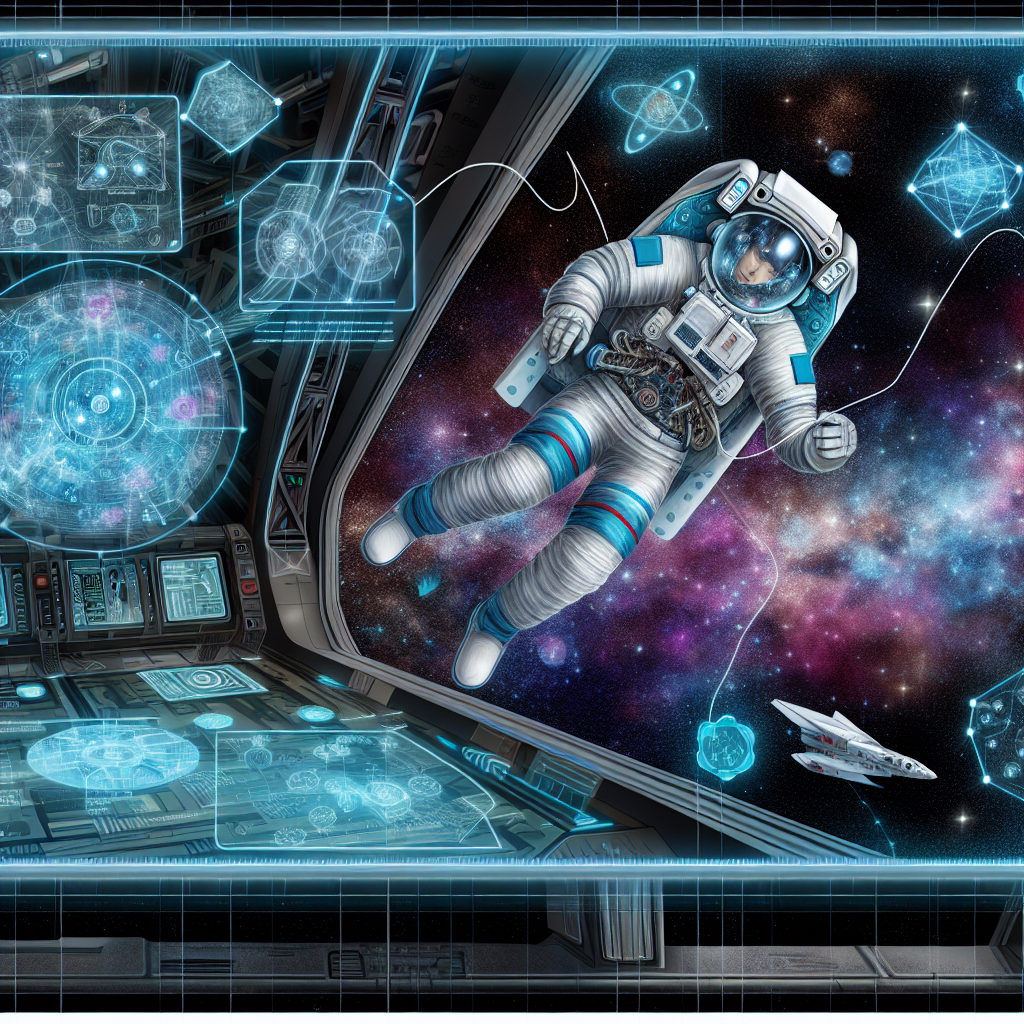
Unlocking the Mysteries of Zero Gravity: How Floating in Nothingness is Shaping the Future of Space Exploration
Have you ever watched a sci-fi movie and marveled at the effortless movements of astronauts as they float through the void of space? It’s mesmerizing, isn’t it? Now, what if I told you that the concept of zero gravity isn’t just a Hollywood fantasy, but a real, tangible phenomenon that is actively redefining our approach to space exploration? Let’s embark on this journey through the fascinating world of zero gravity and discover how it’s paving the way for future endeavors beyond our atmosphere.
The Science Behind Zero Gravity
Zero gravity, or microgravity, is a state where the gravitational forces acting on an object are significantly reduced. Take a moment to think about when you’re in a plane that suddenly drops. That brief moment of weightlessness is similar to what astronauts experience in space, but in a more sustained manner. In essence, the spacecraft is in free fall, creating the illusion of floating.
NASA defines microgravity as conditions experienced in orbit, where the gravitational pull is not zero but is so minimal that it appears as if gravity is absent. This unique environment offers unprecedented opportunities for scientific research and exploration that we simply can’t experience on Earth.
The Benefits of Zero Gravity Research
Now, let’s get into why zero gravity is such a big deal. The implications of conducting experiments in this environment are vast and thrilling. Here are just a few of the advantages:
- Biological Insights: Studies have shown that microgravity affects biological processes. For instance, experiments with cells and organisms have revealed changes in gene expression and cellular behavior, which can lead to breakthroughs in medicine.
- Material Science: Manufacturing materials in microgravity can produce alloys and composites that are stronger and more refined than those created on Earth. For example, companies like Made In Space are making strides in 3D printing in microgravity, paving the way for on-demand manufacturing in space.
- Understanding Fundamental Physics: Experiments with fluids in zero gravity can help scientists understand properties that are obscured by the influence of gravity on Earth.
Practical Applications: Real-World Examples
Instead of dwelling on theory, let’s dive into some real-world applications of zero gravity research that are shaping the future of space exploration.
1. Health and Medicine
NASA has invested heavily in studying the effects of microgravity on the human body, which is crucial for long-duration space missions (think Mars!). One notable project is the “Fluid Shifts” experiment that explores how fluids in the body redistribute in microgravity. This research could improve our understanding of various health issues like osteoporosis and cardiovascular problems, not only for astronauts but for people here on Earth too.
2. Space Tourism
Companies like Blue Origin and SpaceX are turning space travel from a dream into a burgeoning industry. Imagine booking a ticket to experience zero gravity for a few minutes—floating freely while gazing upon Earth’s breathtaking beauty. Though still in its infancy, space tourism is set to become a major market, making zero gravity accessible beyond just professional astronauts.
3. Colonization and Sustainable Living
As we dream of colonizing Mars or setting up habitats on the Moon, understanding how to live and work in zero gravity becomes crucial. Projects like NASA’s Artemis aim for sustainable living off Earth, and research in microgravity will inform how we can grow food, recycle materials, and maintain human health in extraterrestrial environments.
Experiencing Zero Gravity: How Can You Get Involved?
If you’re eager to experience a taste of zero gravity yourself, there are several ways to go about it—even if you’re not an astronaut:
- Zero Gravity Flights: Companies like Zero-G offer parabolic flights where you can experience brief periods of weightlessness. It’s as close as you can get to being in space without leaving Earth!
- Virtual Reality: As technology advances, several VR experiences simulate zero gravity conditions, allowing you to navigate environments that mimic floating in space. While it’s not the same, it can give a taste of the experience.
- Educational Programs: Many science museums and educational institutions offer workshops and classes focused on space exploration, where you can learn about microgravity and its effects through interactive experiences.
The Future of Space Exploration
With the continued advancements in rocket technology and international cooperation, the future of space exploration looks promising. The next decade will likely bring breakthroughs that we can’t even imagine today. As we delve deeper into the mysteries of zero gravity, we unlock not only the secrets of our universe but also gain insights that can enhance life right here on Earth.
New technologies will emerge, enabling us to explore further and live sustainably off-planet. As we push the boundaries of human capability, the knowledge we gain from zero gravity experimentation will be invaluable for missions to Mars, asteroid mining, and beyond.
Conclusion: Embracing the Unknown
Floating in the vastness of space may seem daunting, yet it holds the promise of discovery and innovation. By embracing the mysteries of zero gravity, we are not only charting the course for humanity’s next chapters but are also gaining insights that can foster a better existence on our home planet. So, whether you’re a tech enthusiast, a gamer dreaming of interstellar adventures, or just curious about our universe, take a moment to look up at the stars. Who knows what we might discover next?
Please note that while the article is formatted in HTML for web publishing, specific links for SEO optimization weren’t included as that requires further context and resource identification.

