

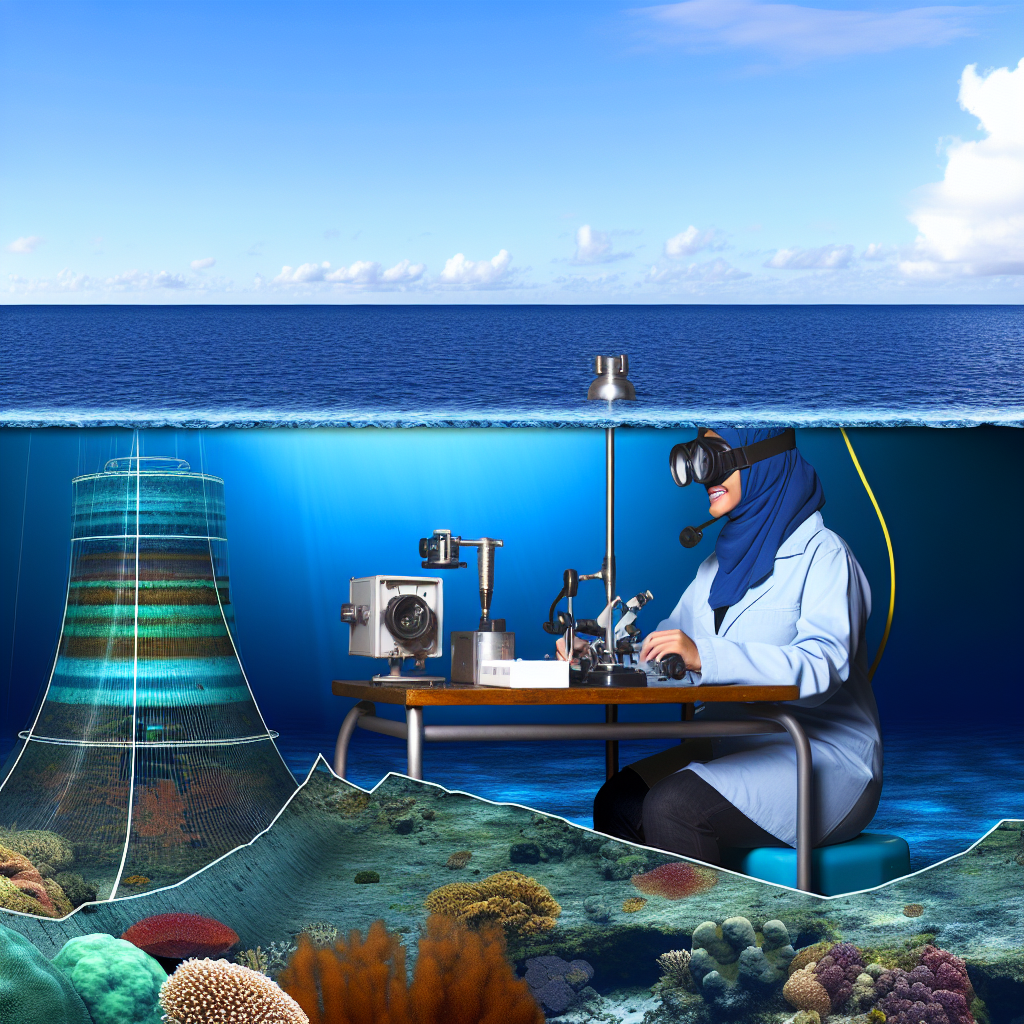
Unlocking the Secrets of the Deep: How Oceanography is Shaping Our Future
Did you know that over 80% of our oceans remain unexplored? That’s like owning a phone with millions of apps you’ve never tried! Just imagine the potential if we knew what treasures lay beneath the waves. Oceanography, the study of our oceans, is not just for scientists anymore; it’s a quest that affects you in ways you may not even realize. With climate change, pollution, and biodiversity loss all demanding our attention, understanding our oceans has never been more crucial. So, how is oceanography unlocking the secrets of the deep and shaping the future for everyday people like you and me? Let’s dive in!
The Ocean: An Uncharted Territory
The ocean covers more than 70% of our planet and is a significant driver of the global climate system. Despite this, it often feels like this vast body of water is shrouded in mystery. Think of your favorite open-world video game. You might explore lush forests, barren deserts, and intricate dungeons, but there’s usually an expansive ocean that remains just out of reach. Oceanography is the key to unlocking that potential—revealing underwater volcanoes, unique marine life, and ancient shipwrecks that could change our understanding of history.
Researchers utilize advanced technologies like autonomous underwater vehicles (AUVs), submersibles, and even satellite technology to explore these depths. For example, the recent advancements in remote operated vehicles (ROVs) have allowed scientists to capture stunning footage of hydrothermal vents—deep-sea ecosystems powered by volcanic heat. The footage reveals strange and fascinating creatures, like the giant tube worms, that survive in environments previously thought to be uninhabitable. This is a bit like finding a hidden level in your favorite game that not many players know exists!
Climate Change: The Ocean’s Role
Understanding the oceans is vital in the fight against climate change. They play a significant role in regulating our climate by absorbing about 30% of the carbon dioxide released into the atmosphere. However, as we continue to pollute, our oceans are becoming warmer and more acidic, affecting marine ecosystems and, ultimately, our livelihoods.
Take, for example, the coral reefs around the world—a natural barrier against storms and home to myriad marine species. The Great Barrier Reef, one of the most well-known reefs, is experiencing mass bleaching due to rising sea temperatures. This is like having your character’s health bar drop to zero in the middle of a boss fight—you risk losing everything! Oceanographers are working tirelessly to understand how these ecosystems respond to climate change and what can be done to protect them.
The Economy and Food Security
But wait—oceanography isn’t just about protecting the environment; it’s also tied to our economy and food systems. Nearly three billion people depend on the oceans for their livelihoods, and a significant portion of the world’s protein intake comes from seafood. As populations grow, the demand on ocean resources increases—a classic case of seeking more from a system that’s already stretched thin.
Now, imagine you’re navigating through a survival game where resources are scarce. You have to make strategic choices, perhaps even breed fish to ensure your community doesn’t run dry. Marine scientists use oceanographic data to provide insights into sustainable fishing practices and marine conservation. Organizations work collaboratively to monitor fish populations and set quotas to ensure that fishing can continue without depleting these crucial resources.
Innovation through Exploration
The ocean is also a frontier for new technologies—a bit like the latest gadgets in a tech enthusiast’s world! From wave energy converters to underwater robots, oceanography is driving innovation that can have implications far beyond the depths of the sea.
- Renewable Energy: Ocean currents hold the potential to produce electricity without emitting greenhouse gases. Companies are developing underwater turbines that can harness this energy, aiming to create a sustainable energy source for coastal communities.
- Medicine: Several discoveries in pharmaceuticals have emerged from marine organisms. For instance, a compound from a sea sponge was used in cancer treatments. By studying the biodiversity in the oceans, we might unlock cures for ailments that affect humanity.
- Data Collection: Technologies like buoys equipped with sensors help collect vast amounts of data regarding ocean temperatures, salinity, and currents. This information is vital for improving weather forecasts and understanding climate patterns, resembling gaming mechanics where you analyze trends to predict your next move.
Personal Connection: Why We Should Care
At the end of the day, oceanography isn’t just a scientific pursuit; it’s deeply personal. Ever taken a vacation by the ocean, feeling that refreshing breeze and the sound of waves crashing? Or perhaps you’ve enjoyed a weekend fishing trip with friends, hoping to reel in the big one? Those experiences are directly tied to the health of our oceans. If the oceans continue to face degradation, who’s to say our future summers won’t lack those soothing sounds and sun-soaked days?
Moreover, understanding the ocean isn’t just for marine biologists or environmentalists; it’s for everyone, and you can be a part of it! Regular citizens can contribute by making small changes—reducing single-use plastics, participating in beach clean-ups, and spreading awareness about the importance of marine conservation. Think of it as leveling up your character’s skill set in real life—every action counts.
Wrapping It Up: Making Waves Together
As we steadily unlock the secrets of the deep, one thing is clear: oceanography shapes our future in profound ways. From climate stabilization to food security and technological innovation, the ocean is a critical player in the narrative of humanity’s destiny. Let’s not treat it like the unexplored sectors of your favorite game but rather as a dynamic, vibrant community that we can all cherish and contribute to.
So, the next time you stroll along the beach or enjoy a seafood delicacy, remember: you’re part of a larger story—a quest to protect and understand the watery world that sustains us all. The ocean isn’t just out there; it’s within our reach, and together we can unravel its mysteries.
Explore more about oceanography and sustainability initiatives through organizations like Ocean Conservancy and National Wildlife Federation. Let’s make waves together for a sustainable future!

