

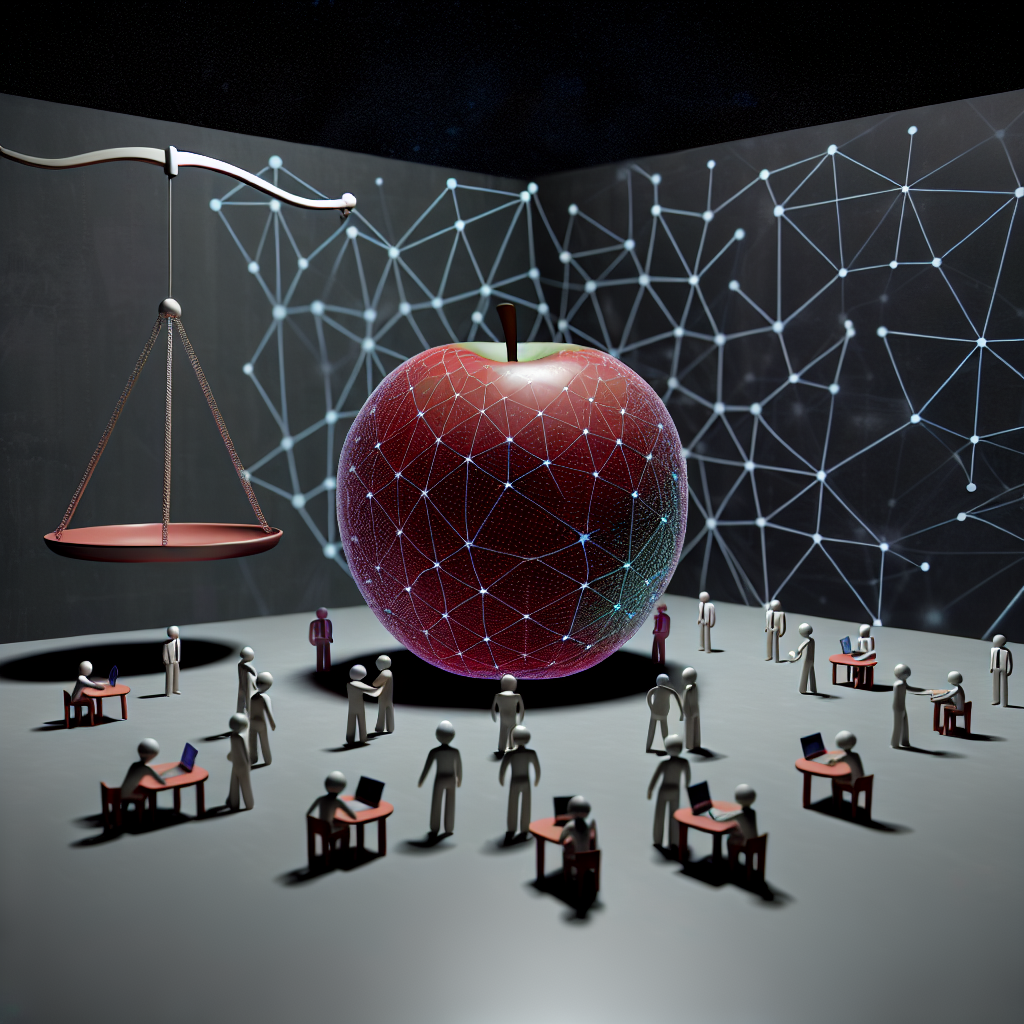
Unpacking Apple’s Antitrust Battle: What It Means for Consumers
Imagine hopping on your favorite gaming platform, excited to check out the latest offerings, only to discover that your choices are limited to a handful of options—primarily those curated by the platform itself. Frustrating, right? This scenario isn’t just a gamer’s nightmare; it’s a reality consumers face in the tech world today, particularly with giants like Apple. As Apple navigates its ongoing antitrust battles, understanding the implications for consumers becomes crucial. Let’s dive deep into what this all means for you.
The Background: What Sparked the Antitrust Debate?
The antitrust discussions surrounding Apple mainly stem from its App Store policies. Imagine you’re a game developer eager to launch your latest indie masterpiece. You create something unique, perhaps a blend of strategy and adventure, but to get it on the App Store, you must adhere to Apple’s strict guidelines and pay steep commission fees—often as high as 30% on all sales. These fees can cripple smaller developers, making it harder for innovative games to reach players.
With over 1.5 billion active Apple devices worldwide, the App Store is a significant player in how apps and games are monetized. This hub for apps has become a focal point for several legal challenges and discussions. Epic Games, the company behind the wildly popular Fortnite, has led the charge, accusing Apple of unfair practices that stifle competition.
The Implications for Game Developers
For developers, especially indie ones, the implications are staggering. Let’s take a moment to consider a few scenarios:
- High Fees Equal High Barriers: A new game developer might enter the scene with a fantastic idea but is quickly deterred by the hefty fees. This not only reduces the pool of available games but can also lead to less innovation in the industry.
- Loss of Unique Offerings: If smaller developers cannot afford the steep costs, only bigger companies can dominate the App Store. This leads to a homogenous gaming experience, where blockbuster titles overshadow smaller gems.
- Subscription Models: A raft of new subscription services could emerge, but these will typically cater more to major developers. The result? Consumers might miss out on diverse gaming experiences.
What’s in It for Consumers?
So, how does all of this affect you as a consumer? It’s worth addressing several points that could shape your experience in the gaming ecosystem:
- More Choices: If antitrust laws succeed in reshaping Apple’s App Store policies, you might see a wider array of applications and games. Picture having access to innovative apps that would otherwise never see the light of day due to restrictive policies.
- Lower Prices: With increased competition, developers may drop their prices to attract consumers. Imagine playing top-tier games for less, or even enjoying premium titles without the burden of exorbitant in-app purchases.
- Better Innovation: As smaller developers break through the barriers, you could find yourself enjoying a wealth of unique gaming experiences that cater to niche interests. This could make gaming much more engaging and diverse.
The Ripple Effect of the Antitrust Battle on Tech Giants
This battle isn’t just limited to Apple. Other tech giants, such as Google, face similar scrutiny regarding their platforms. Consider this: if Apple is compelled to modify its policies due to legal pressures, it could set a precedent for other companies. That means more competition and options for consumers across various platforms. In a world that often feels monopolized by giants, that’s refreshing.
This ripple effect could not only allow you to enjoy games more freely but also spur innovation in how games are developed, marketed, and consumed. Imagine platforms competing by offering better terms for developers; that could transform the gaming landscape radically.
Personal Anecdote: An Indie Developer’s Story
A friend of mine, Sarah, is an indie game developer who recently launched her first title. She expressed how disheartening it was to watch larger companies dominate interest while she struggled to gain visibility in the App Store. After submitting her game, she was hit with unexpected fines and tweaks that made her calculate whether continuing was worth it.
However, she recently shared a glimmer of hope with me. News outlets reported on the growing support for reform in app store billing practices. Sarah sees it not just as a battle for her game but as a potential turning point for indie developers everywhere. Her experience highlights how pivotal this antitrust journey could shape future competition and diversity in the gaming market.
A Call to Action: Being an Informed Consumer
Consumers have a powerful role in this unfolding drama. Supporting indie developers, demanding fair treatment, and advocating for more choices can change the landscape. Let’s not forget the importance of staying informed about these issues—your voice can resonate loudly through the choices you make in the apps and games you support.
The outcome of Apple’s antitrust battles could redefine what it means to be a consumer in today’s tech-heavy world. So, the next time you download a new game, remember: your clicks translate directly into support for policies that can either help innovative creators thrive or stifle them entirely.
Conclusion: Look Ahead
The ongoing antitrust discussions surrounding Apple are crucial not just for the tech world but for you as a consumer. As platforms potentially become more accommodating to diverse development practices, you stand to benefit from richer gaming experiences. While the journey remains complicated, the light at the end of the tunnel signals an exciting time for gamers and tech enthusiasts alike.
So gear up, stay informed, and get ready. The world of gaming is on the verge of potentially huge changes—and you have a front-row seat.

