

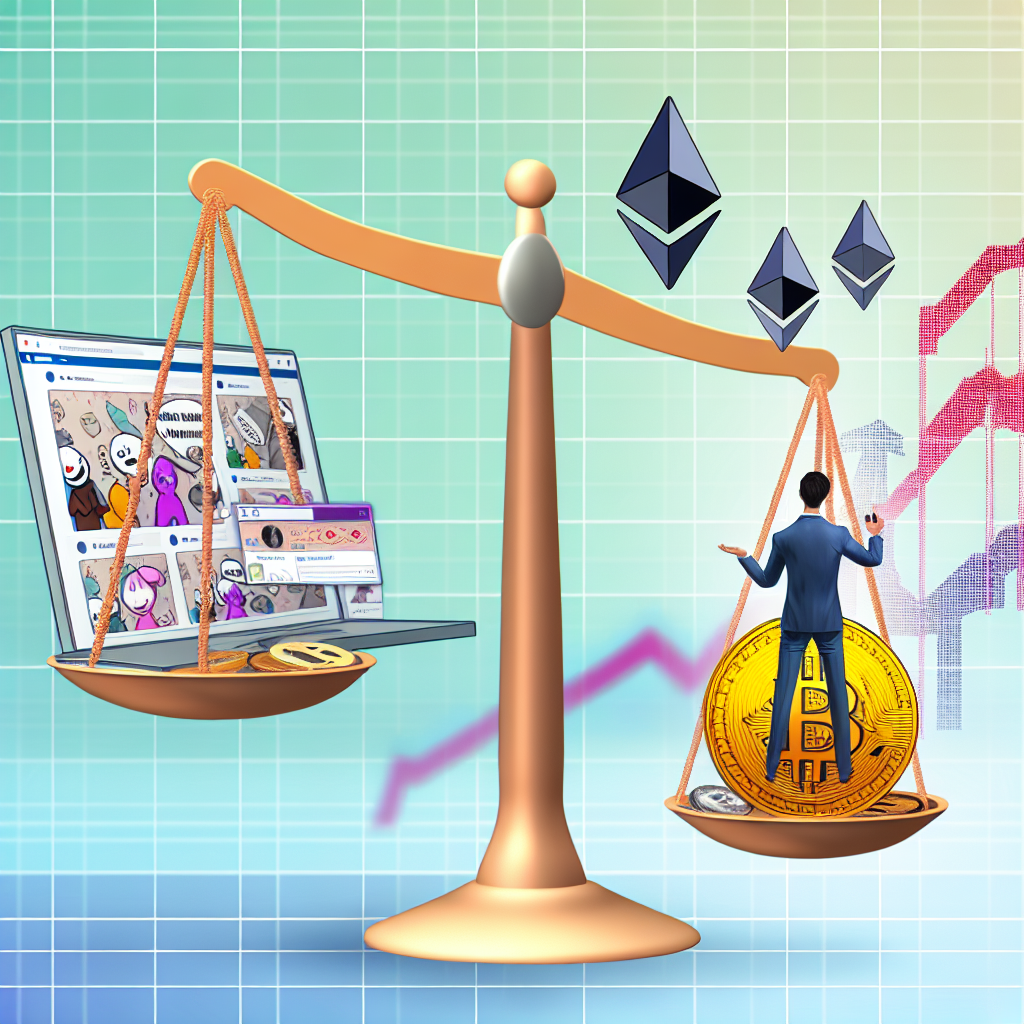
Unpacking the Viral Impact of Crypto Memes on Market Trends
You wake up, grab your coffee, and scroll through your feeds, only to be greeted by a meme of a goofy dog with a diamond-studded collar proclaiming its loyalty to Dogecoin. As you chuckle, it dawns on you: memes are no longer just entertaining bits of internet culture; they can cause real waves in the cryptocurrency market. But just how deep does this rabbit hole go? Welcome to the wild world where memes influence financial trends, shaking the very foundations of how we perceive digital currencies.
The Birth of Crypto Memes
Believe it or not, the first meme to break into the crypto scene was Dogecoin, created in 2013 as a lighthearted nod to the popular Shiba Inu meme. What started as a joke quickly evolved into a phenomenon that skyrocketed in popularity, thanks in large part to a vibrant online community. The combination of humor and a lovable mascot struck a chord with users seeking a break from the often serious nature of cryptocurrencies.
Fast forward to 2021, when economic uncertainty pushed more people to explore new avenues for investment. Crypto quickly gained a dedicated following, and memes acted as a bridge that made the concept more accessible. While veterans might debate the merits of Bitcoin versus Ethereum, millions were sharing memes about “to the moon” and “HODL”—both of which became essential parts of the crypto vernacular.
Memes as Market Movers
Much like viral TikTok dances spur sales for specific songs, crypto memes have become unofficial market indicators. The effectiveness of these memes lies in their relatability and humor; they encapsulate complex investment anxiety into laughable snippets that you can share with friends. For those who might feel overwhelmed by the blockchain tech, these memes provide a sense of community and understanding. They turn financial discussions into something fun.
Let’s break down how memes have impacted trading behaviors:
- Community Engagement: Memes solidify community bonds, creating a sense of belonging, which can lead to increased buying pressure.
- Speculative Trading: Memes can spark speculative trading, as seen with shifts in interest. When a meme goes viral, it often signals a surge in buying activity, driving prices up.
- Celebrity Endorsements: Just look at Elon Musk’s tweets; when he shared a meme about Dogecoin, it caused the price to spike. The reach of these memes, especially when amplified by influencers, can send shockwaves through the market.
Case Studies: Memes That Made Millions
For a moment, let’s dive into a couple of noteworthy examples where memes did more than just make us laugh—they made investors money. First up is the aforementioned Dogecoin. Initially launched as a joke, it saw a staggering rise in value in 2021. One meme particularly associated with this rise depicted the Doge character proudly proclaiming “Such price. Much wow.” The humor turned many skeptics into casual investors, creating a grassroots surge.
Next, consider Shiba Inu Coin, dubbed the “Dogecoin killer.” Fueled by the indulgence of meme culture, it managed to charm countless investors into trading. Although its fundamentals might not stack up to more established cryptocurrencies, its meteoric rise was partly due to the memes that circulated virally across social platforms. In 2021, a meme proclaiming it as the next big thing sent its price skyrocketing, despite warnings from seasoned investors about its volatility.
The Risks of Meme Culture in Investment
While it’s easy to get swept up in the humor and excitement that memes bring, let’s not forget the caveats. Investing based on memes can be a rollercoaster ride. The volatility of crypto prices often amplifies the risks, making it particularly unwise for those not prepared for rapid fluctuations. Just because a meme is trending doesn’t guarantee a long-term gain.
Think of it like this: investing in memes is much like betting on a game of poker. You can rely on your skills and strategies or get lucky with cards. In the case of memes, you can ride the wave or watch helplessly as trends change overnight. Remember the ‘Doge Day’ that never quite materialized? Many investors lost big after expecting hype to translate to tangible gains.
Building Your Own Meme Investment Strategy
If you find yourself drawn to the notion of investing in meme cryptocurrencies, you’re not alone. But before you jump in, it’s essential to adopt a strategy:
- Research: Never base your decisions solely on memes. Look into the underlying technologies and community support.
- Start Small: As you delve into meme investments, consider allocating a small percentage of your portfolio rather than going all in.
- Watch for Trends: Monitor social media platforms for trending memes, but also stay informed on broader market indicators.
Your ability to differentiate between a meme with potential and a passing fad will be crucial for success. Most importantly, enjoy the process! If you find joy in the community and culture that surrounds it, that’s a win in itself.
The Future of Memes and Crypto
As cryptocurrencies continue to evolve, so will the impact of memes. They are becoming an integral part of financial discourse, offering a unique blend of entertainment and education in the complex world of crypto investments. The more inclusive and accessible this information becomes, the larger the community will grow, creating a ripple effect that could influence market trends for years to come.
Ultimately, as both memes and crypto develop, we’ll likely see innovative ways they intermix, raising interesting questions about the future of investing. Will memes dominate traditional investment vehicles? Could influencers potentially morph into financial advisors through this medium? Time will tell, but one thing is for certain: whether you’re in it for the laughs or the investment potential, the meme and crypto combo is a trend that’s here to stay.

